During our ecotours aboard the American Star, marine debris may be observed in the Atlantic Ocean and Delaware Bay. Marine debris is defined by NOAA as any persistent solid material that is manufactured or processed and directly or indirectly, intentionally or unintentionally, disposed of or abandoned into the marine environment. When debris is sighted, our crew safely retrieves it while naturalists explain the environmental impact of the debris.
Polyester film balloons (also referred to as “Mylar” or foil) are a major source of marine debris. Unlike latex balloons, they do not biodegrade and can persist in the environment for years. These balloons are harmful to wildlife if ingested, can pose entanglement hazards and contaminates their environment. Balloons released on shore can travel hundreds of miles before entering the open water.
It is our mission to reduce the impact of marine debris on our local marine life and environment by spreading the word through prevention by education and engaging our passengers in the active collection onboard ecotourism vessels.
Since its launch in 2012, the Clean Ocean Initiative has evolved into a long-term monitoring effort documenting marine debris across nearshore coastal and pelagic waters off Cape May, New Jersey. We record data on all marine debris collection at sea on the American Star and on land during beach clean-ups we use the Marine Debris Tracker, a mobile app funded by NOAA Marine Debris Program and the Southeast Atlantic Marine Debris Initiative (SEA-MDI), located within the College of Engineering at the University of Georgia.
We Have Collected over 900 Polyester Film Balloons From 2012–2025 on the American Star.
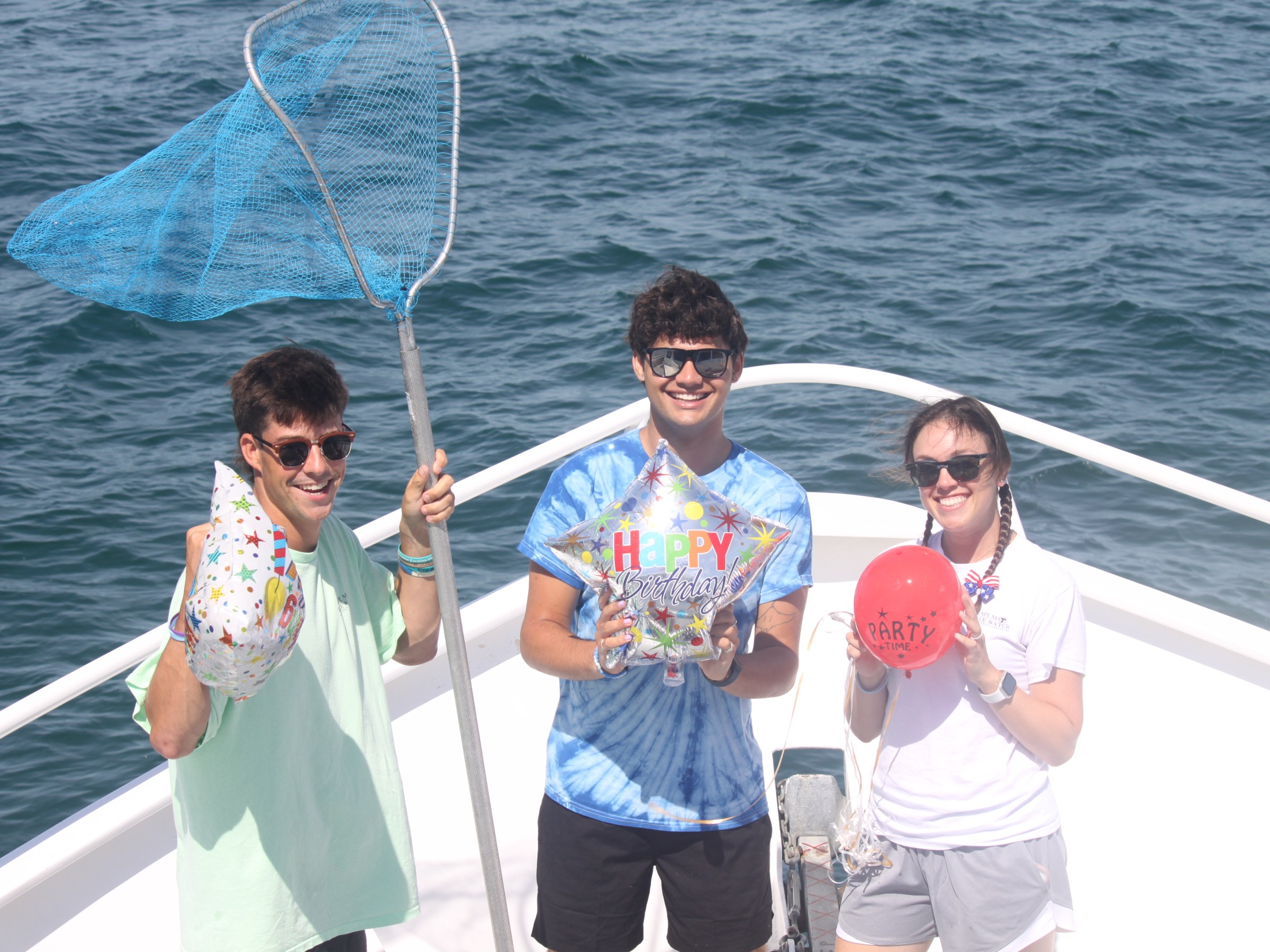
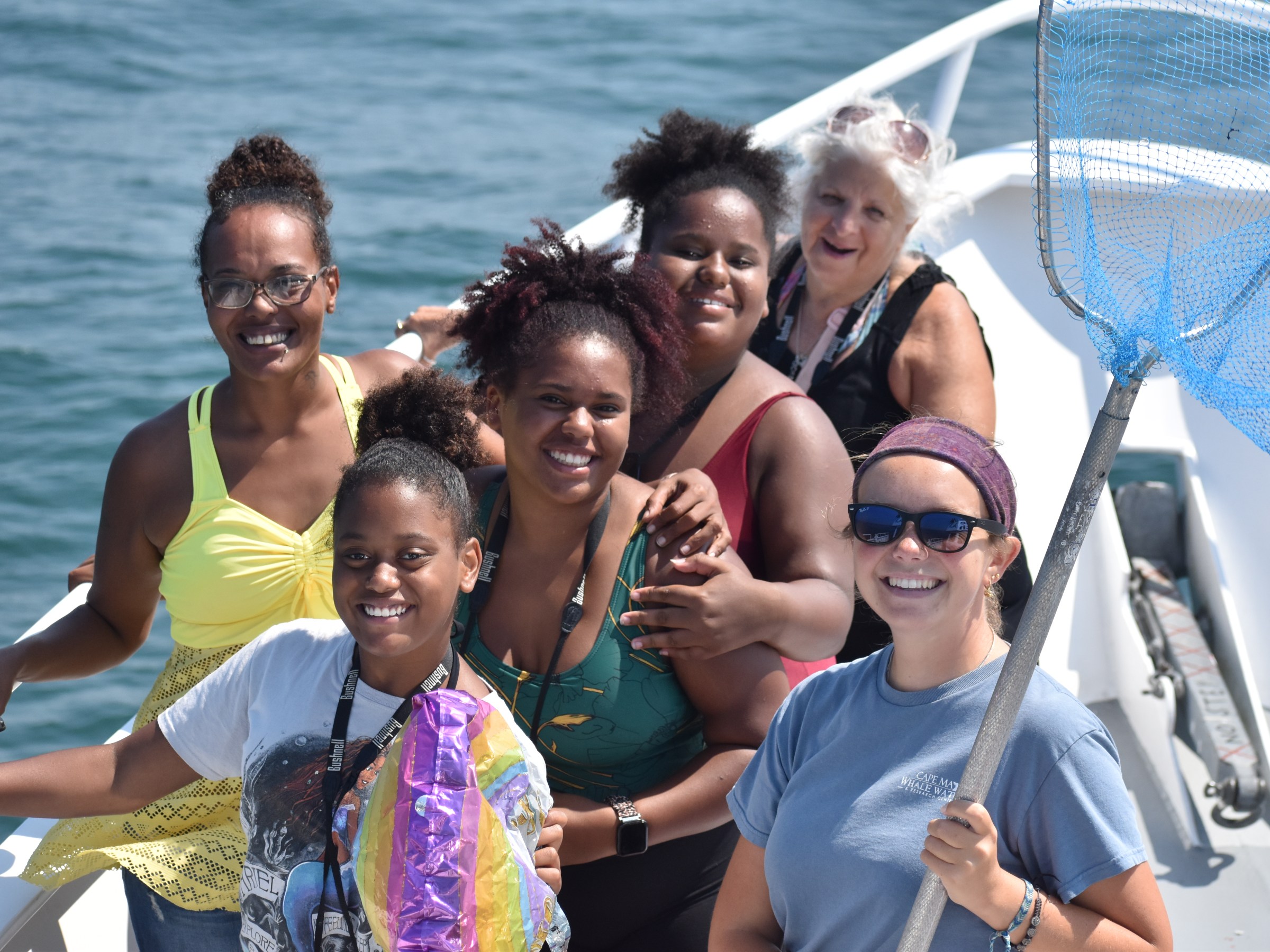
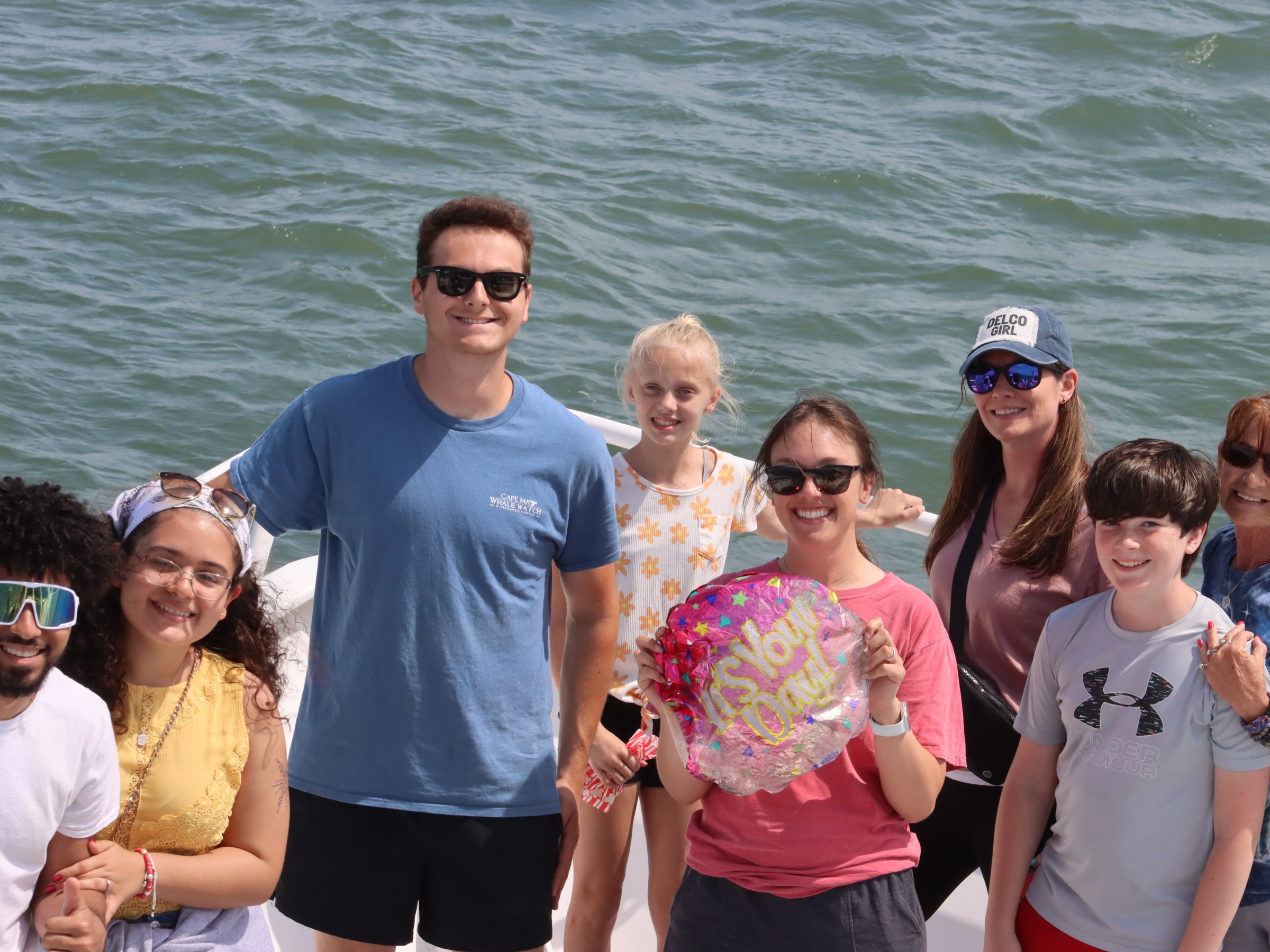
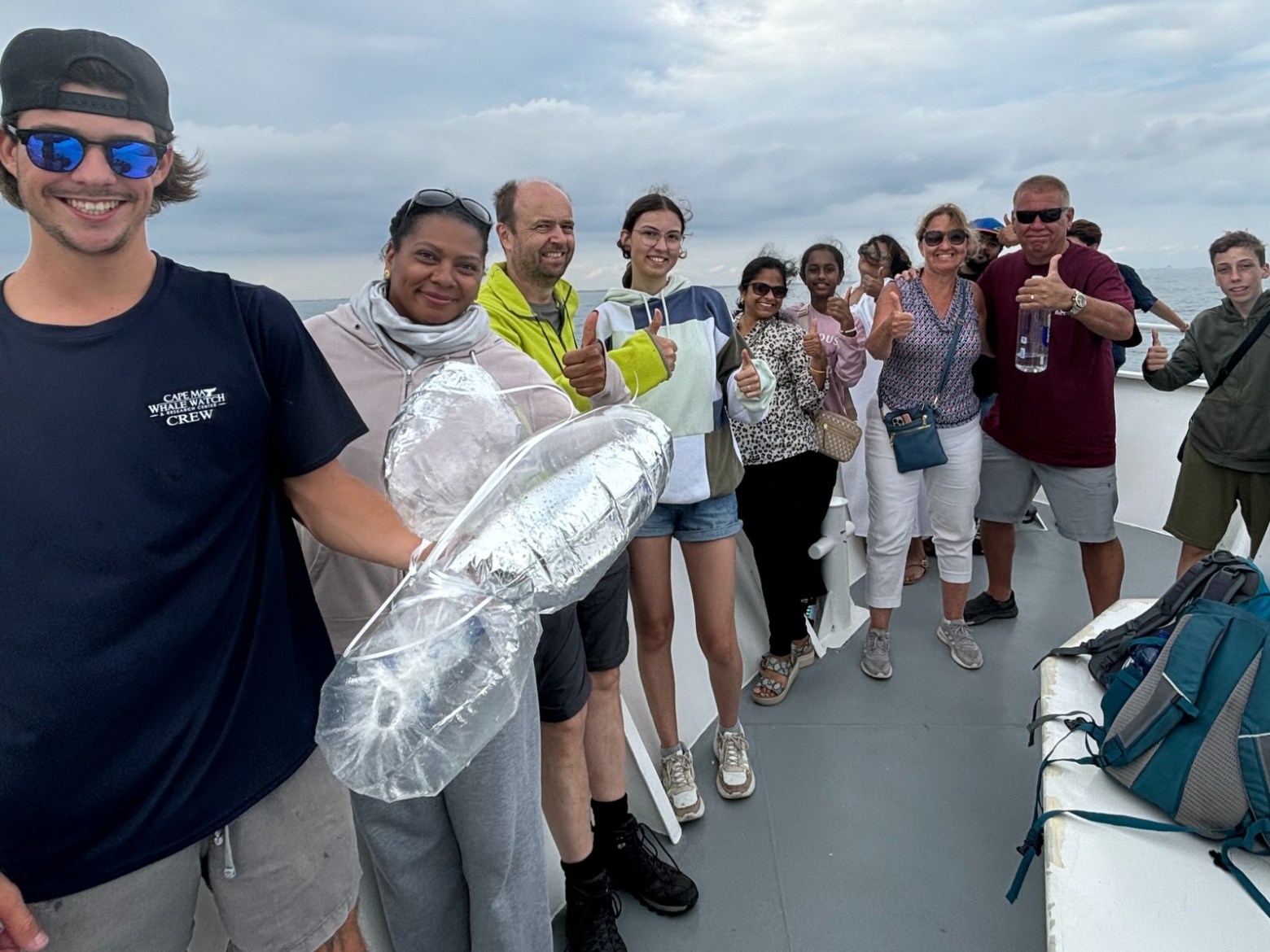
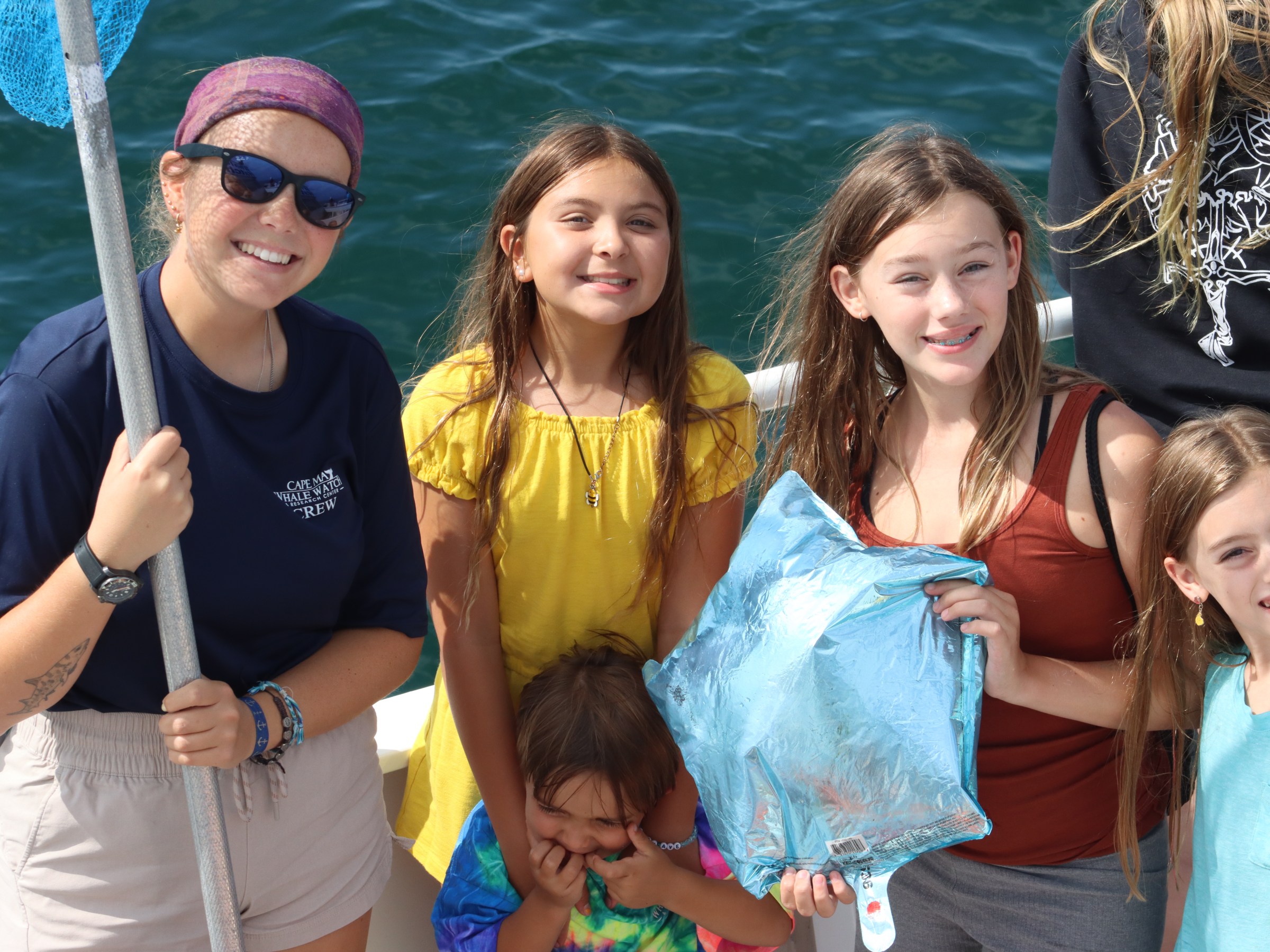
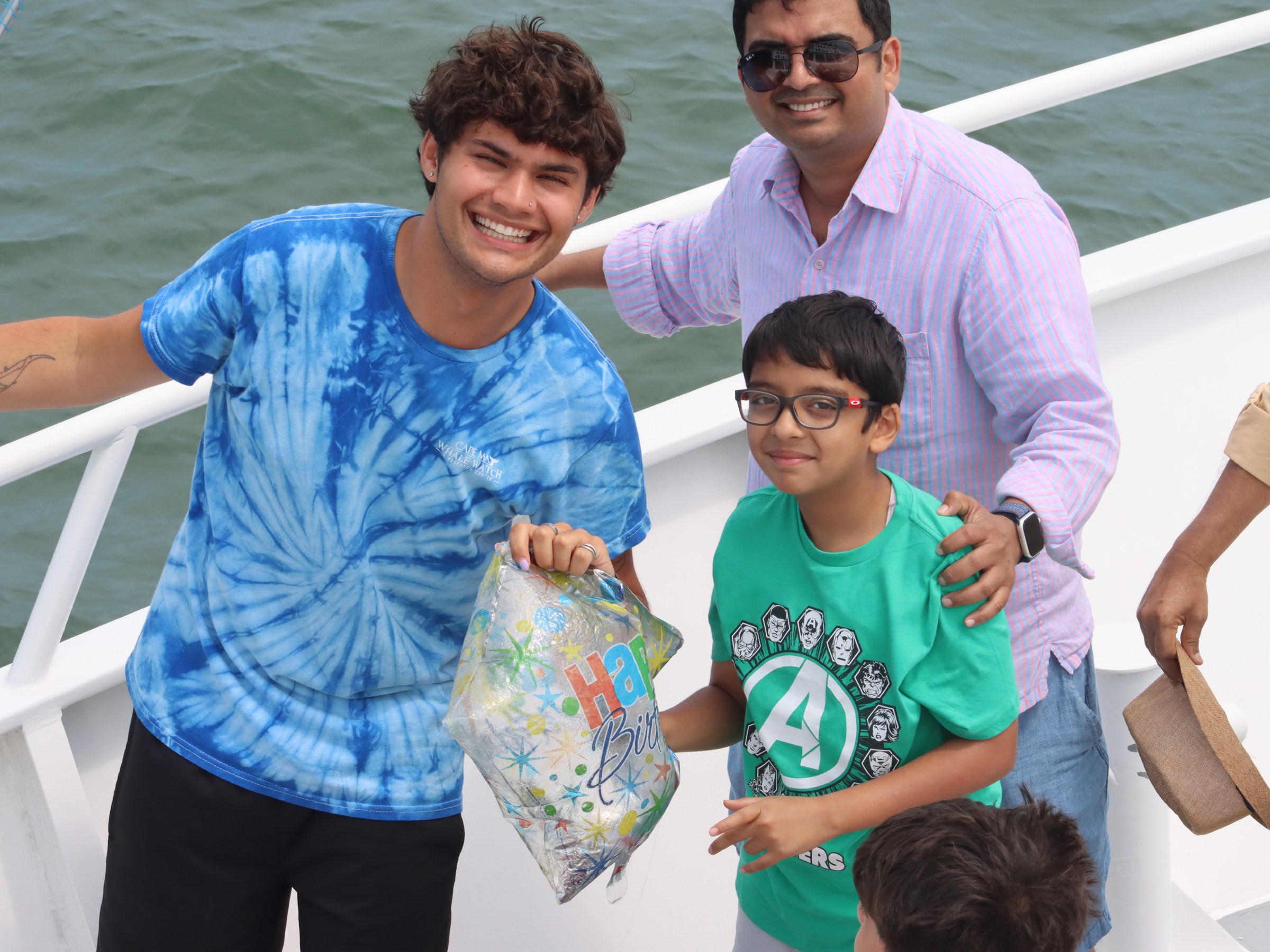
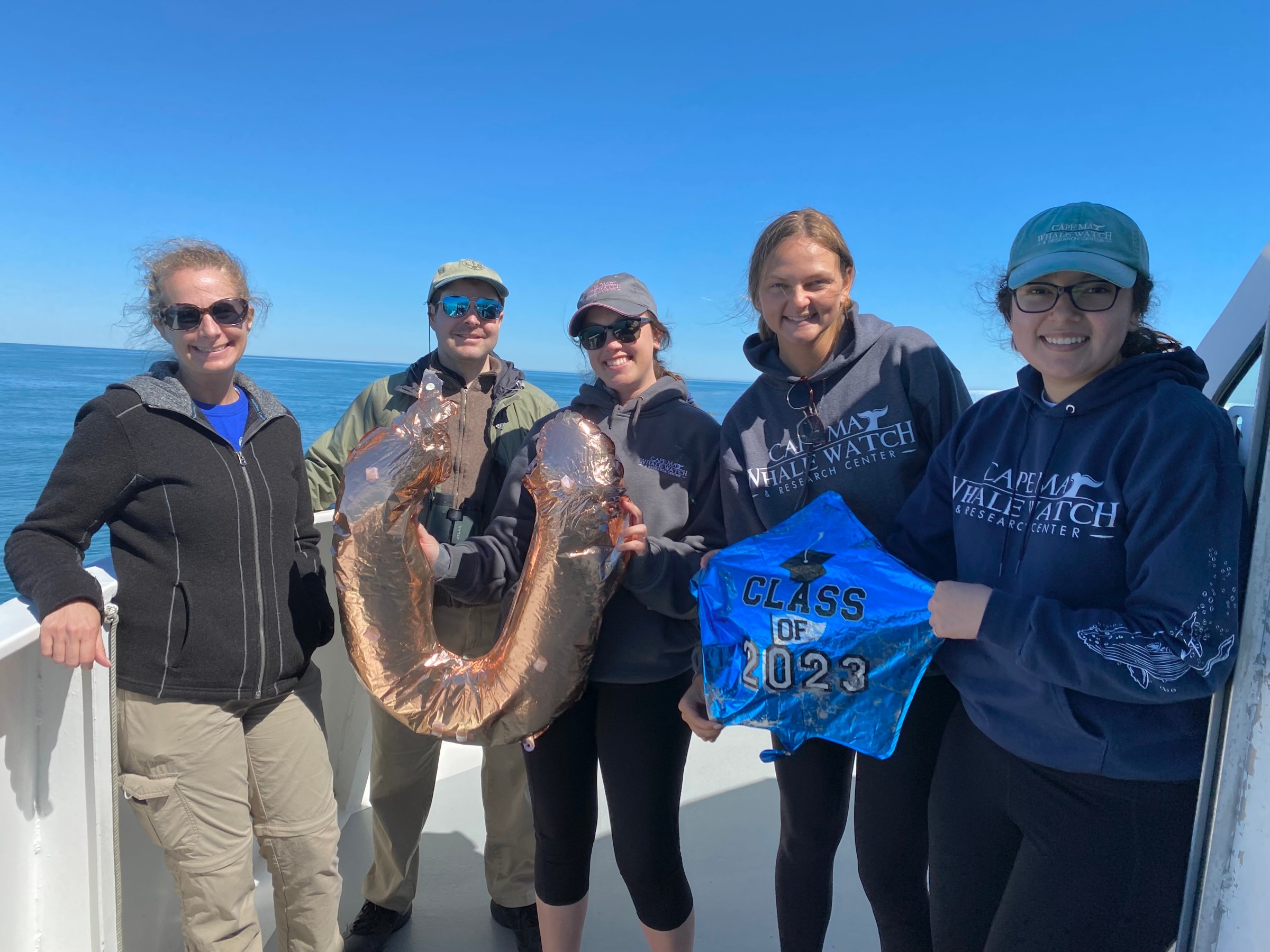

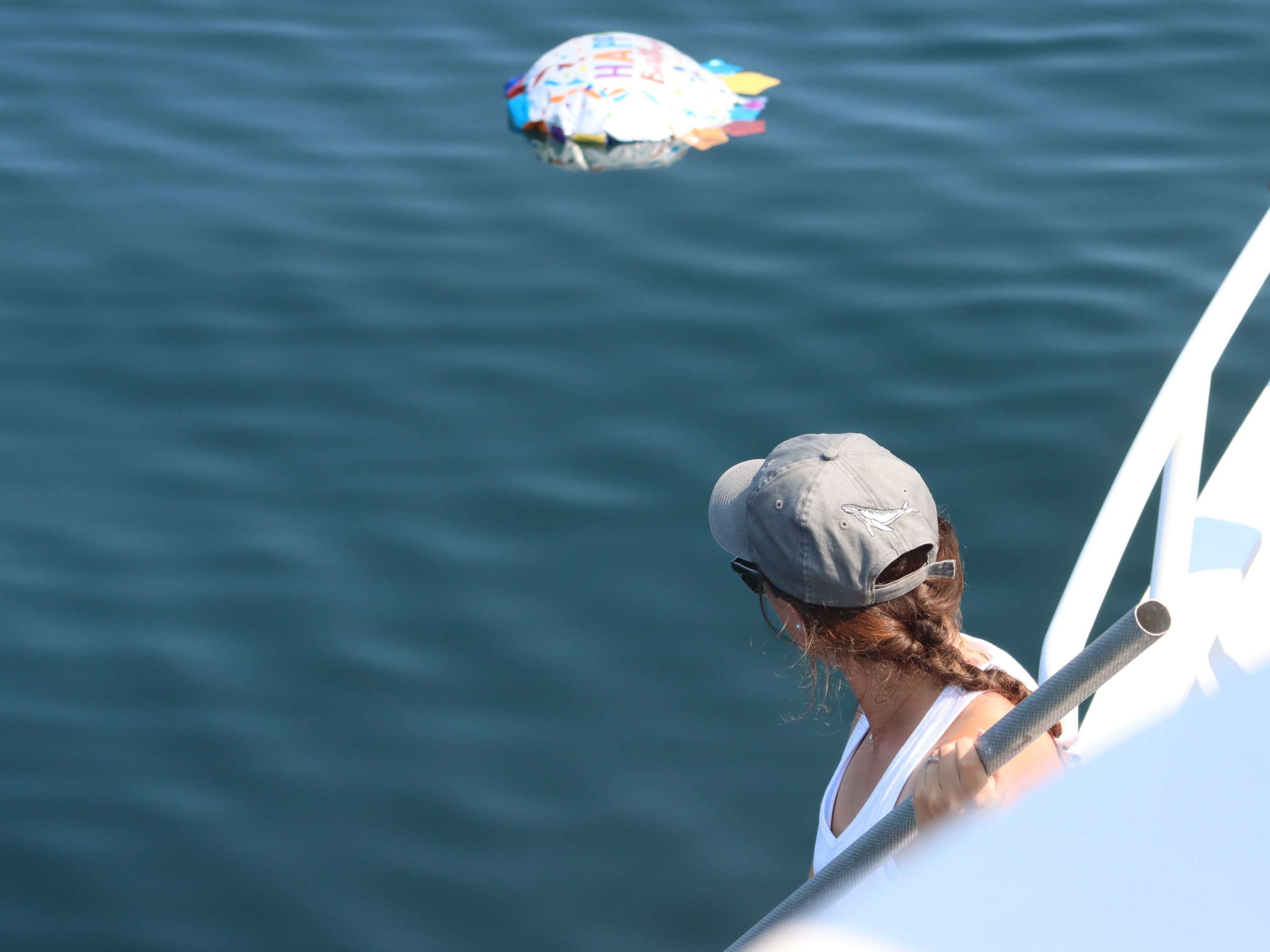
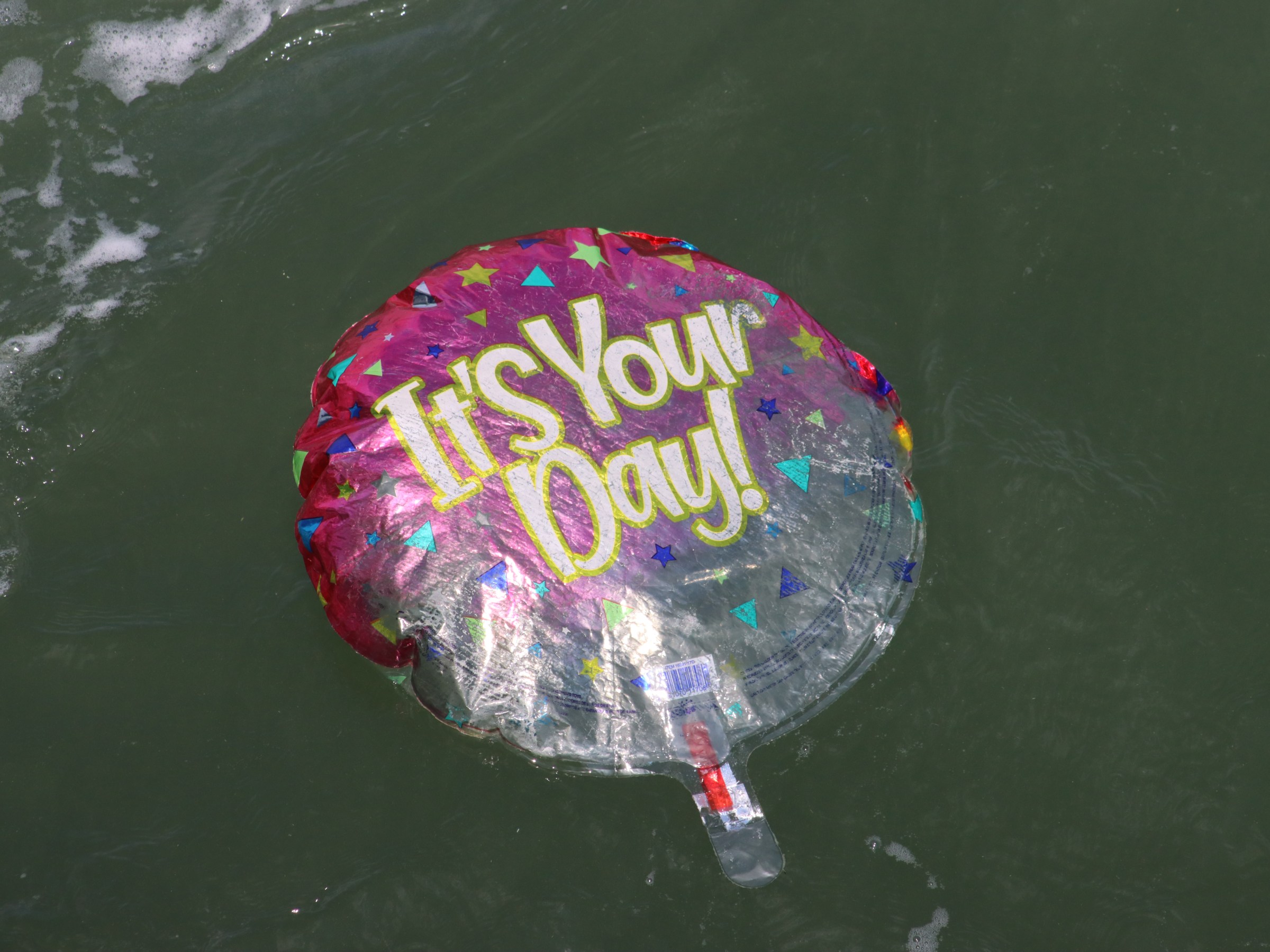
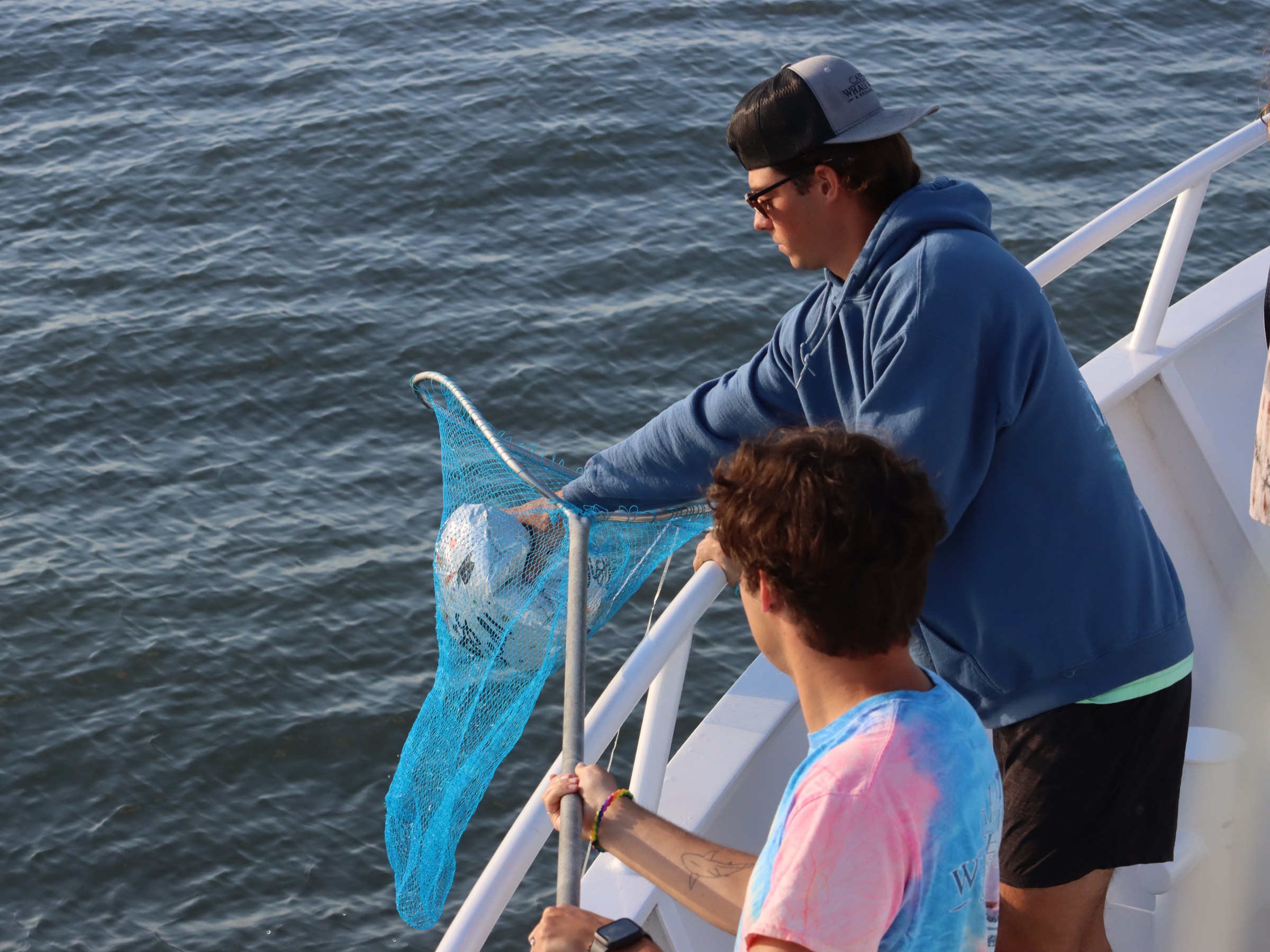
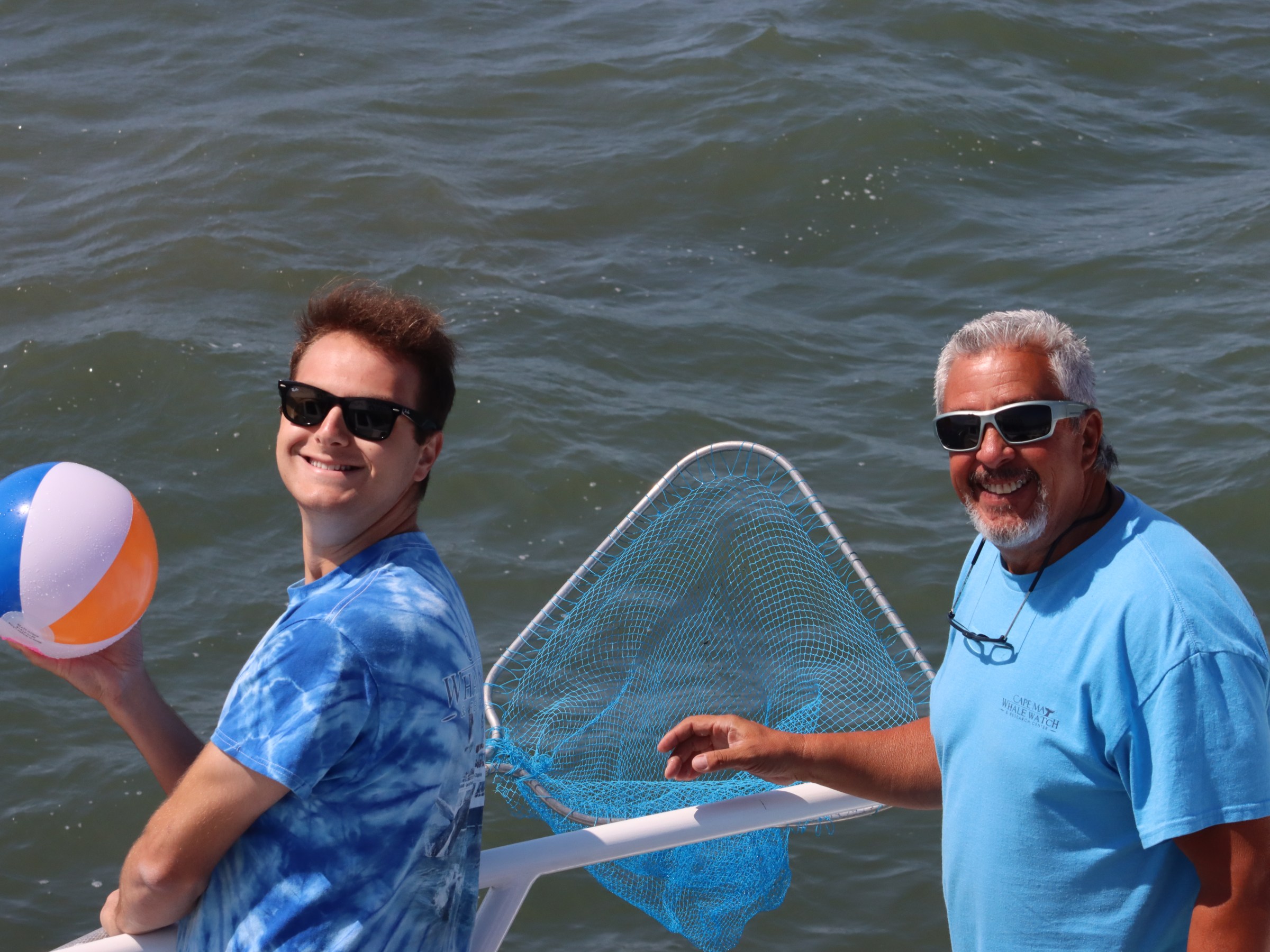
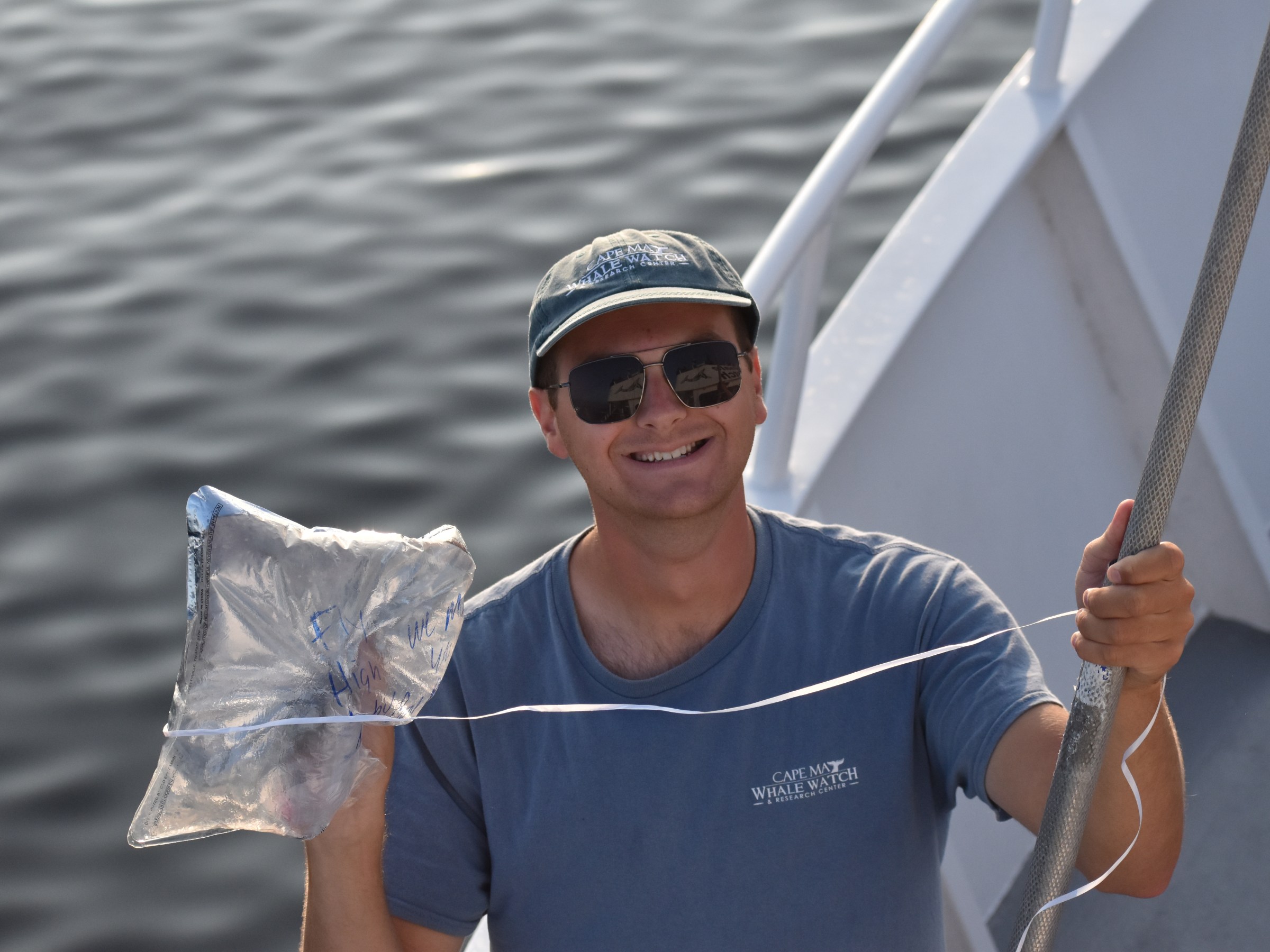
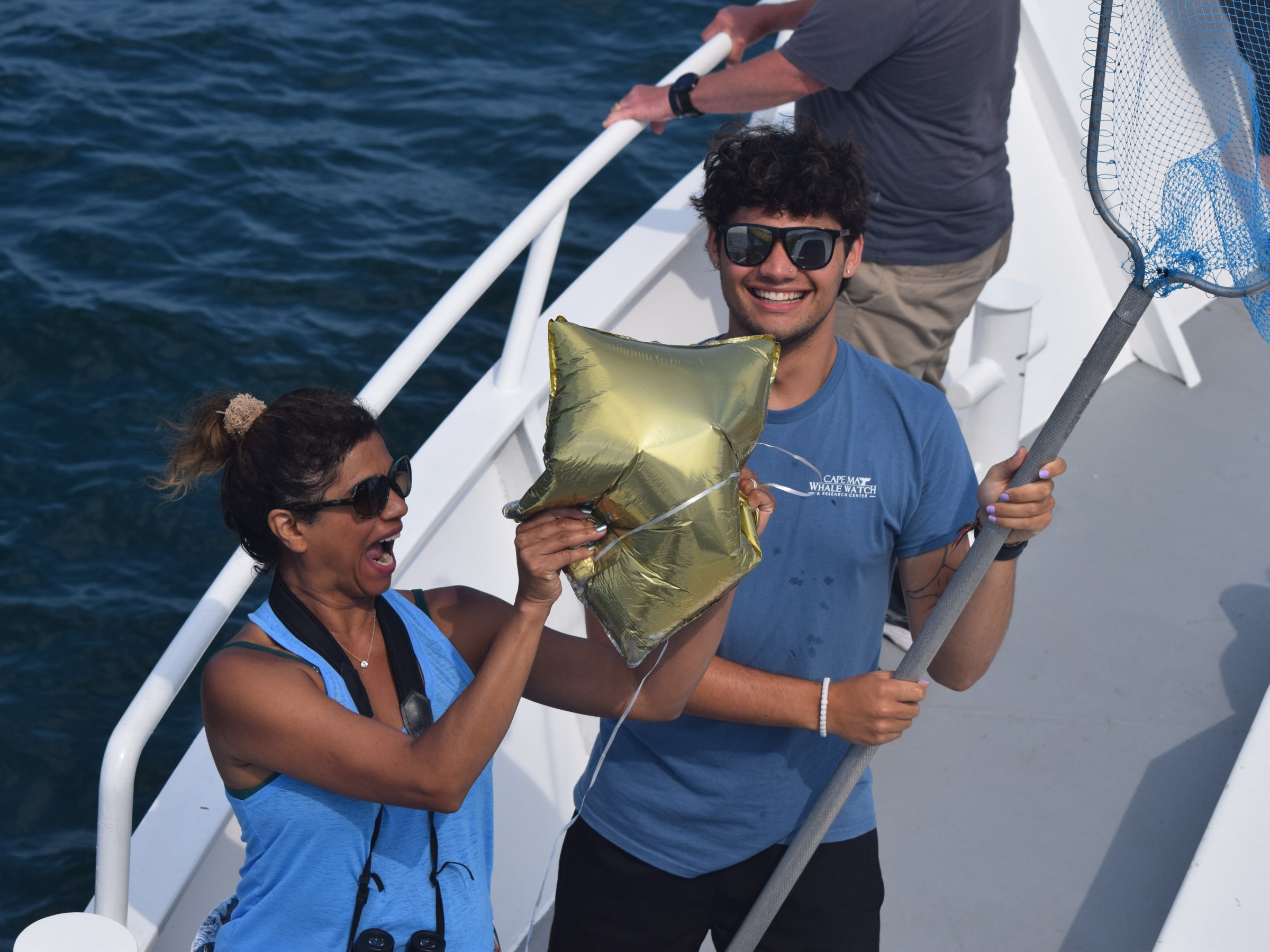
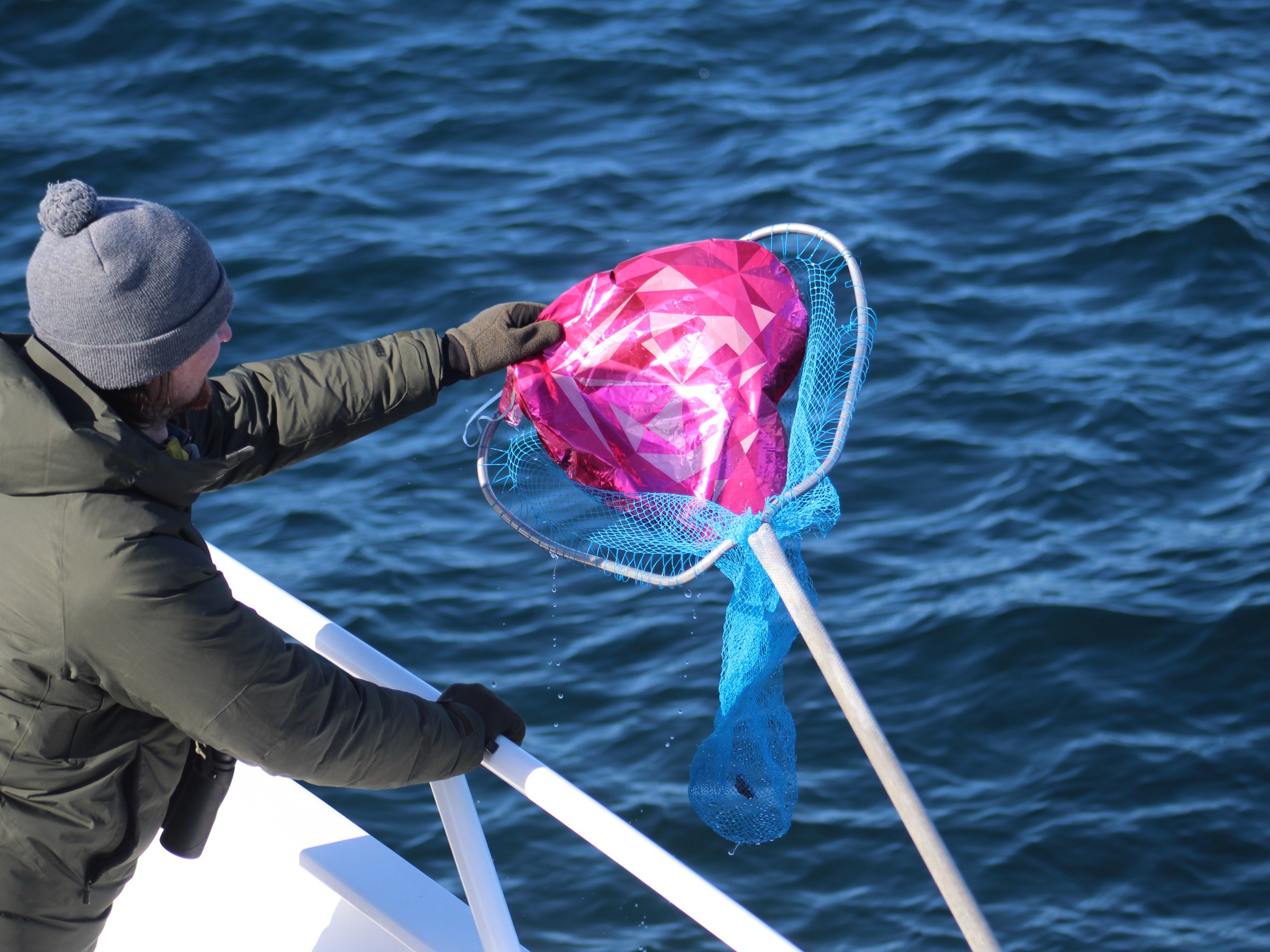
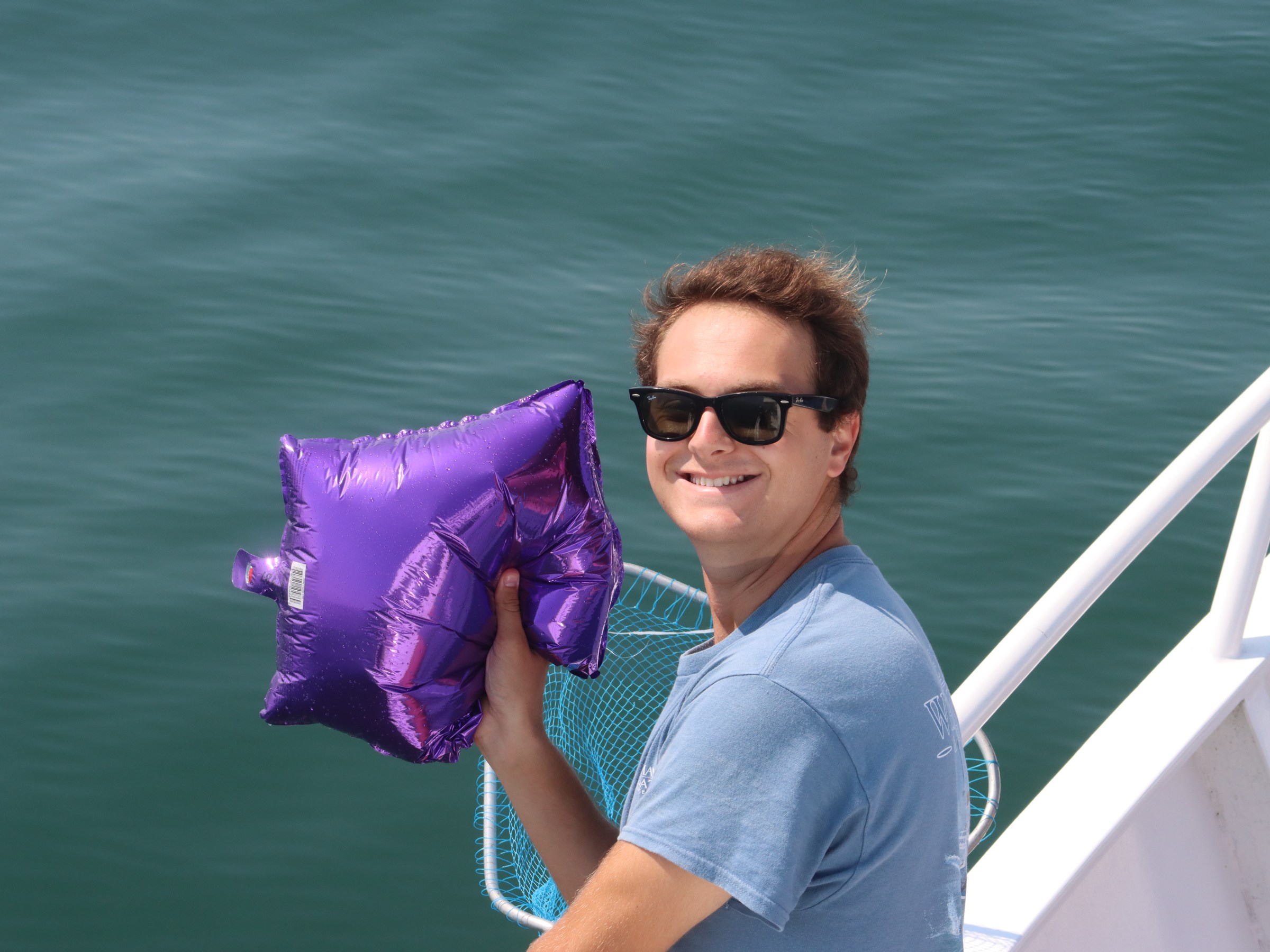
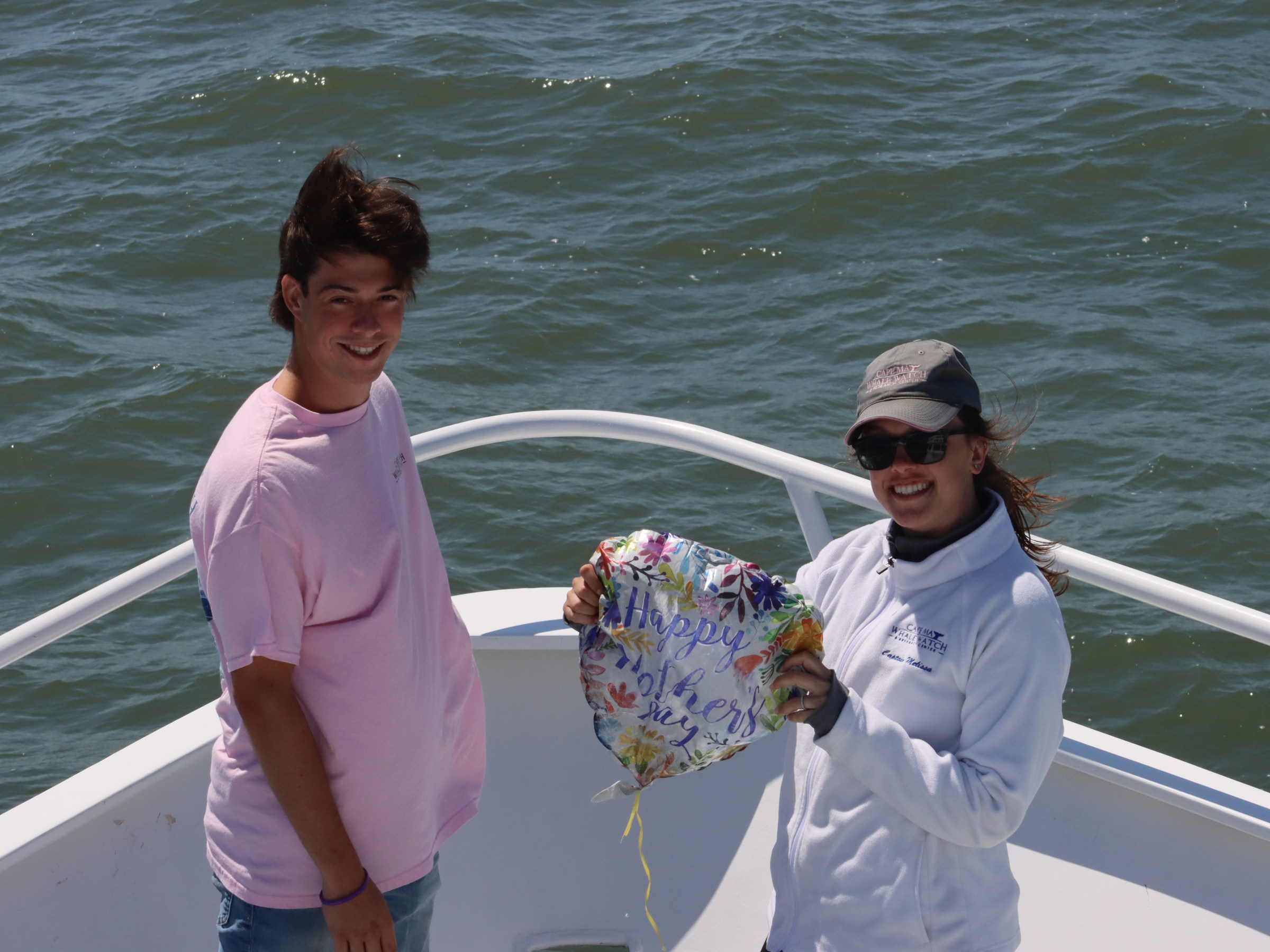
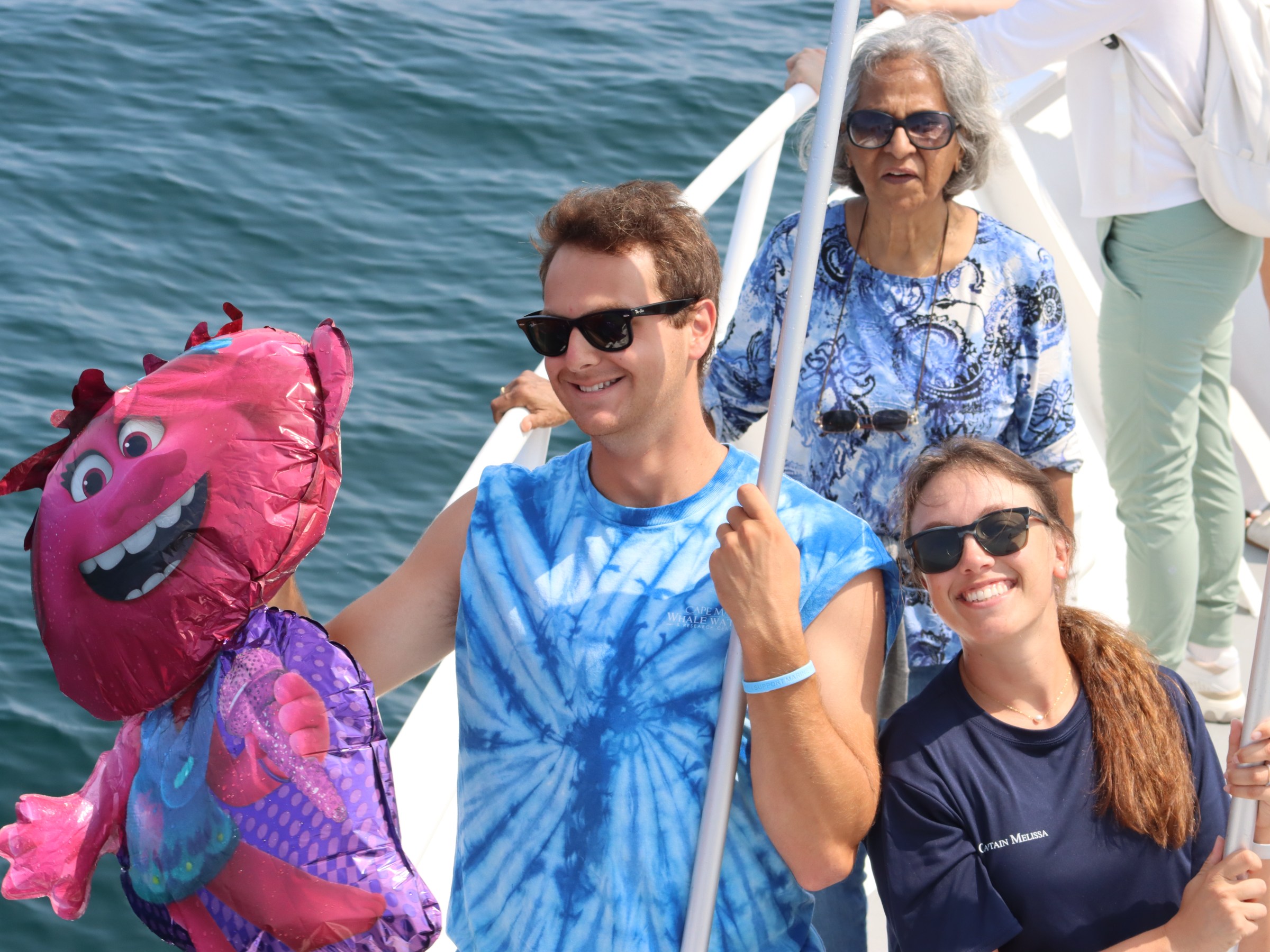
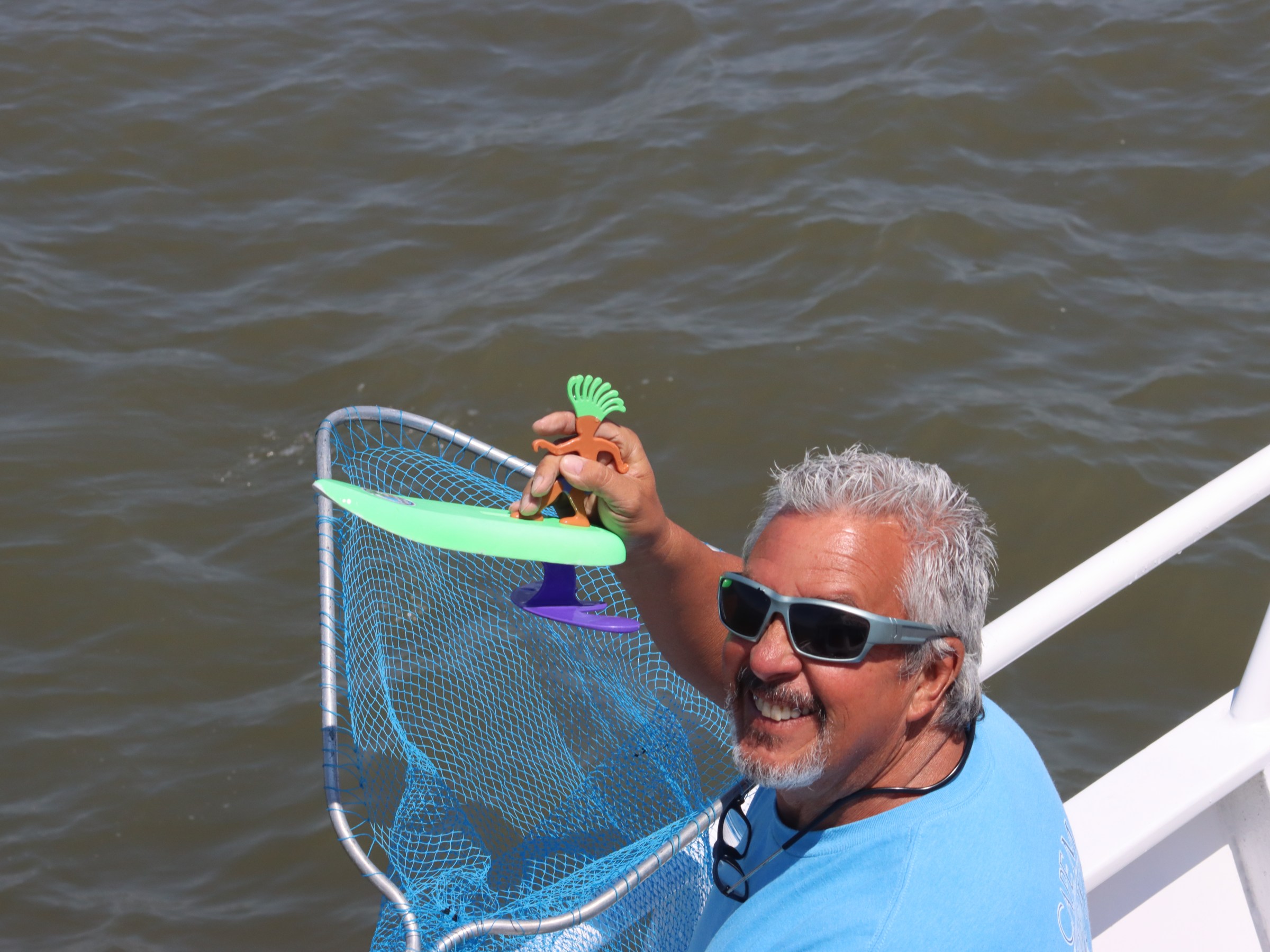
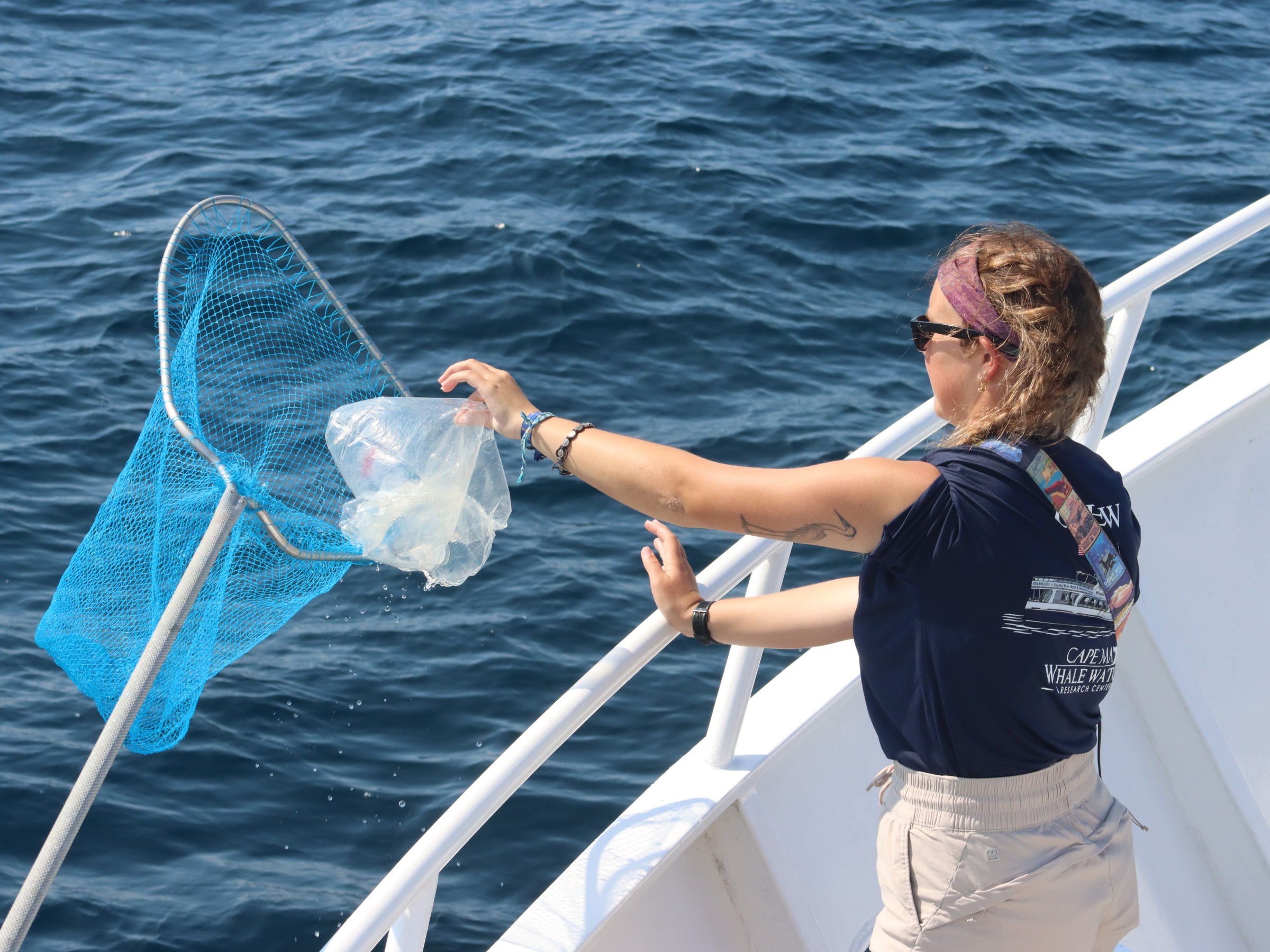
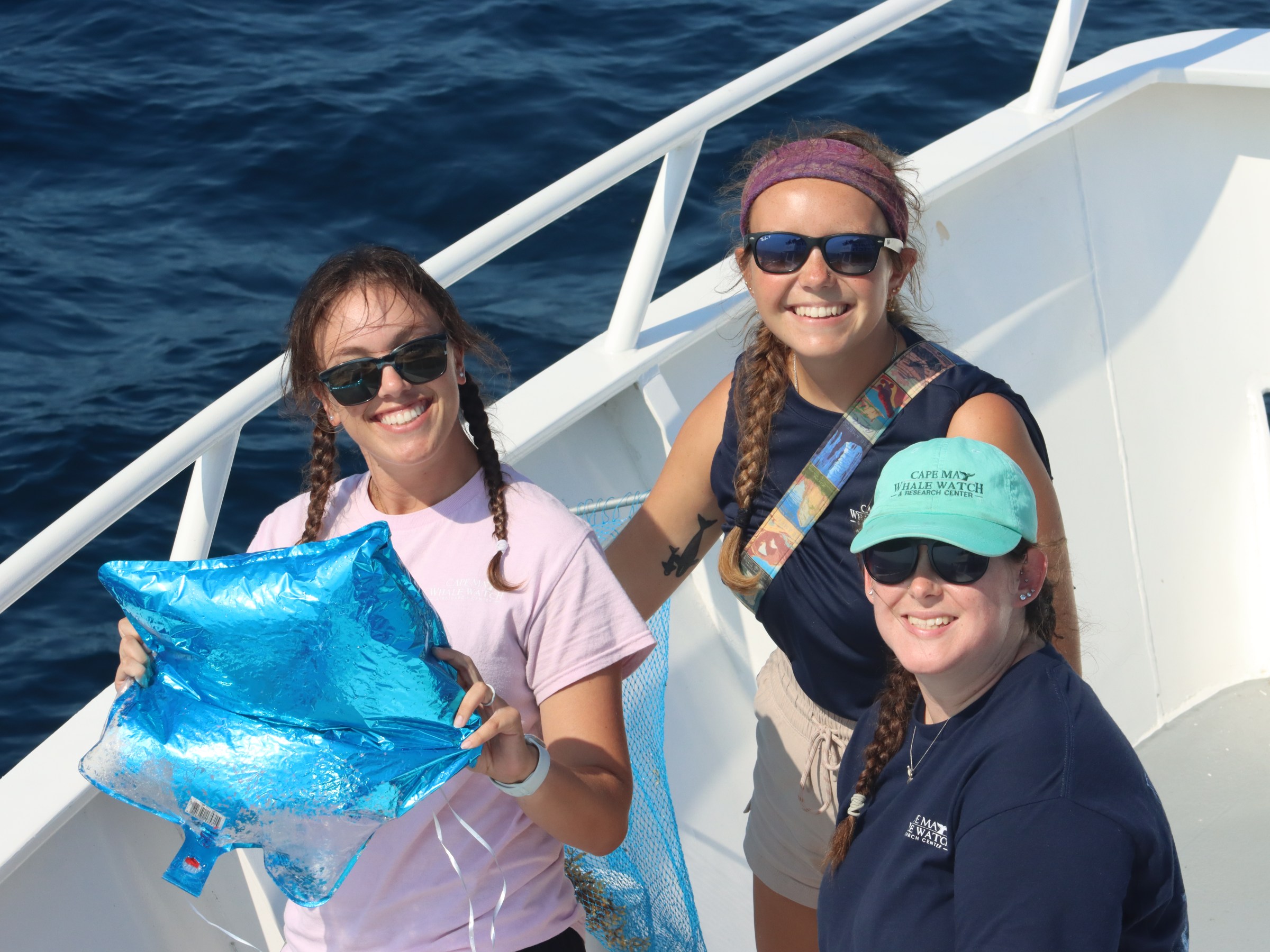
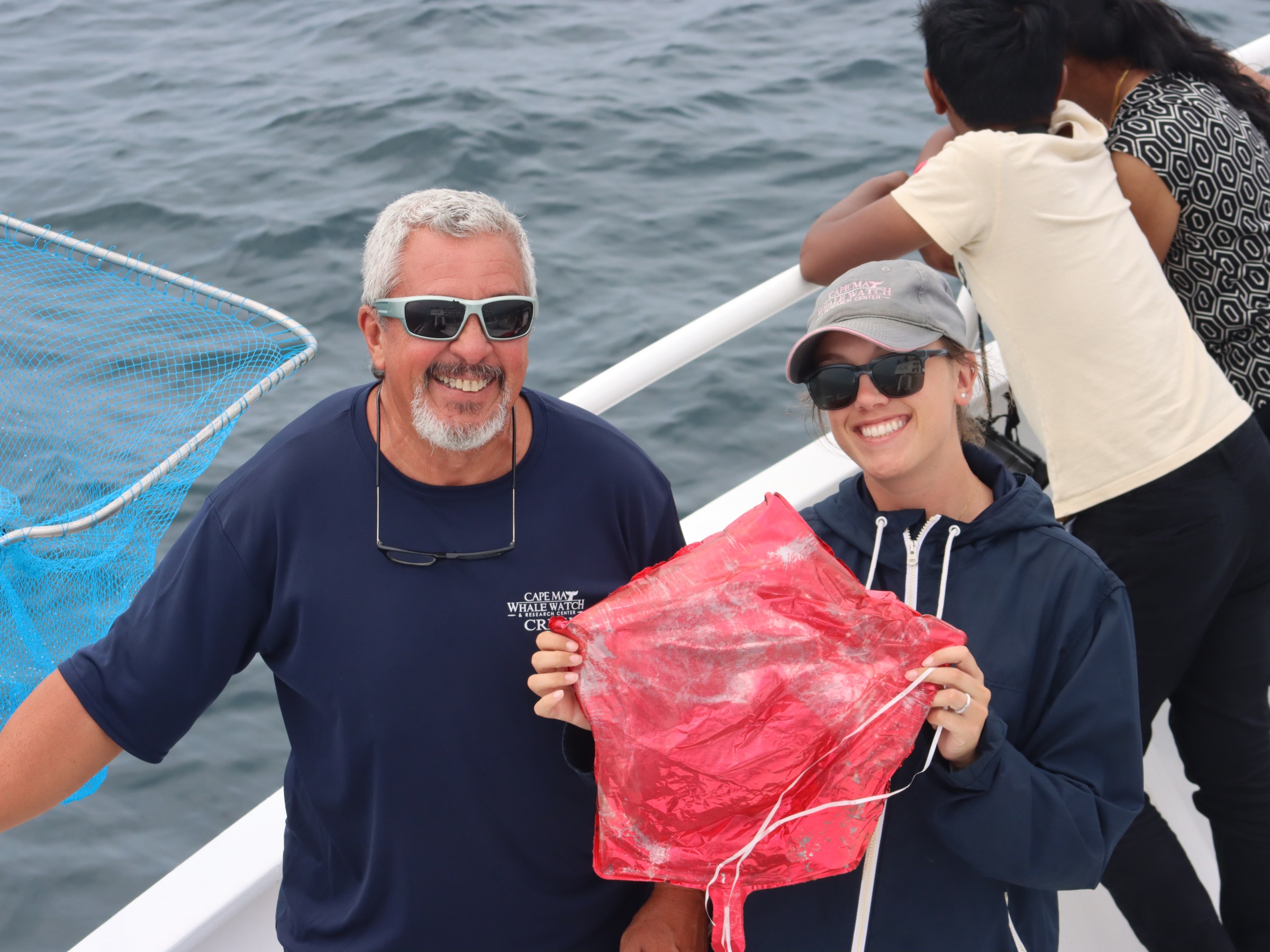
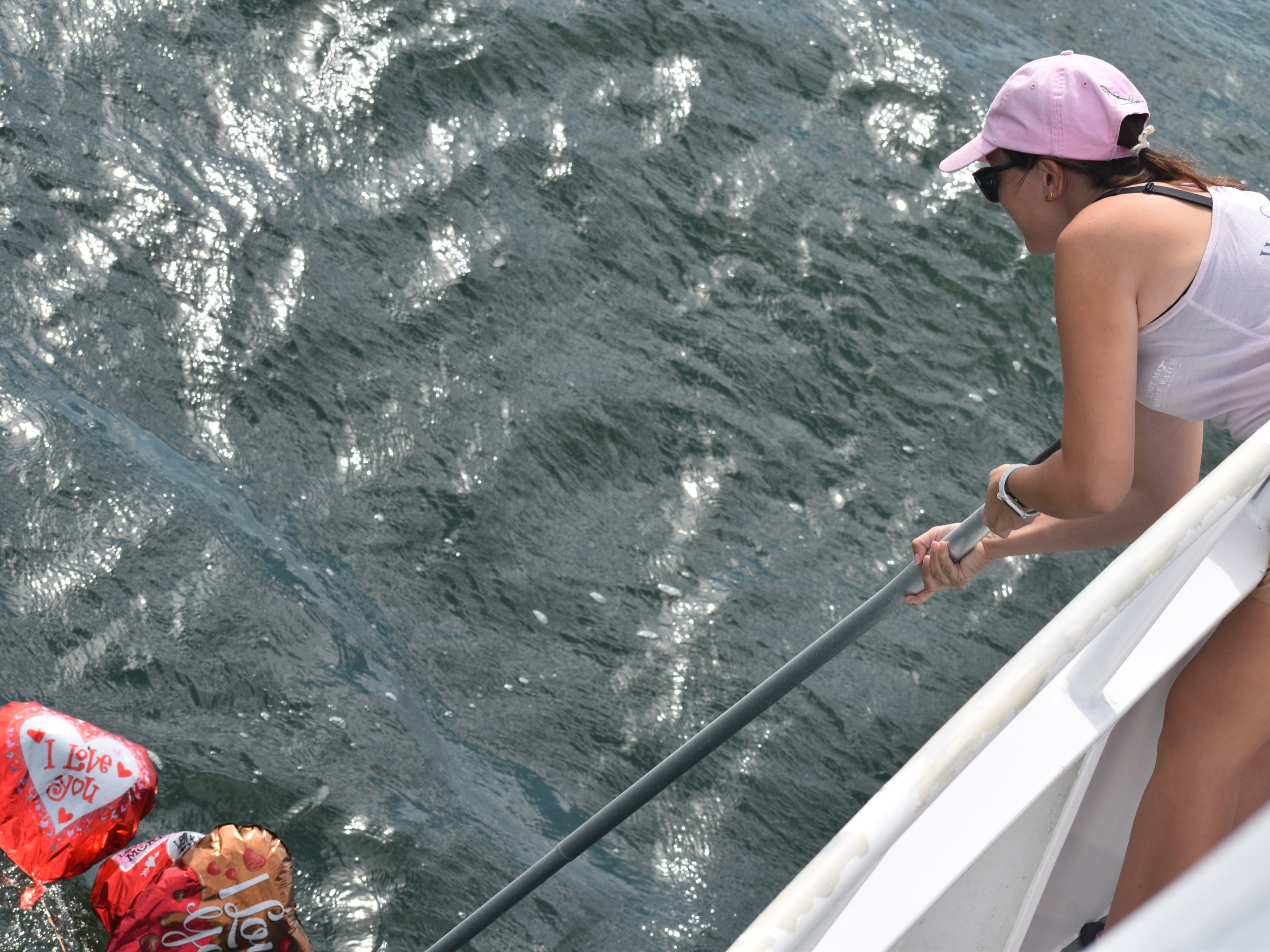
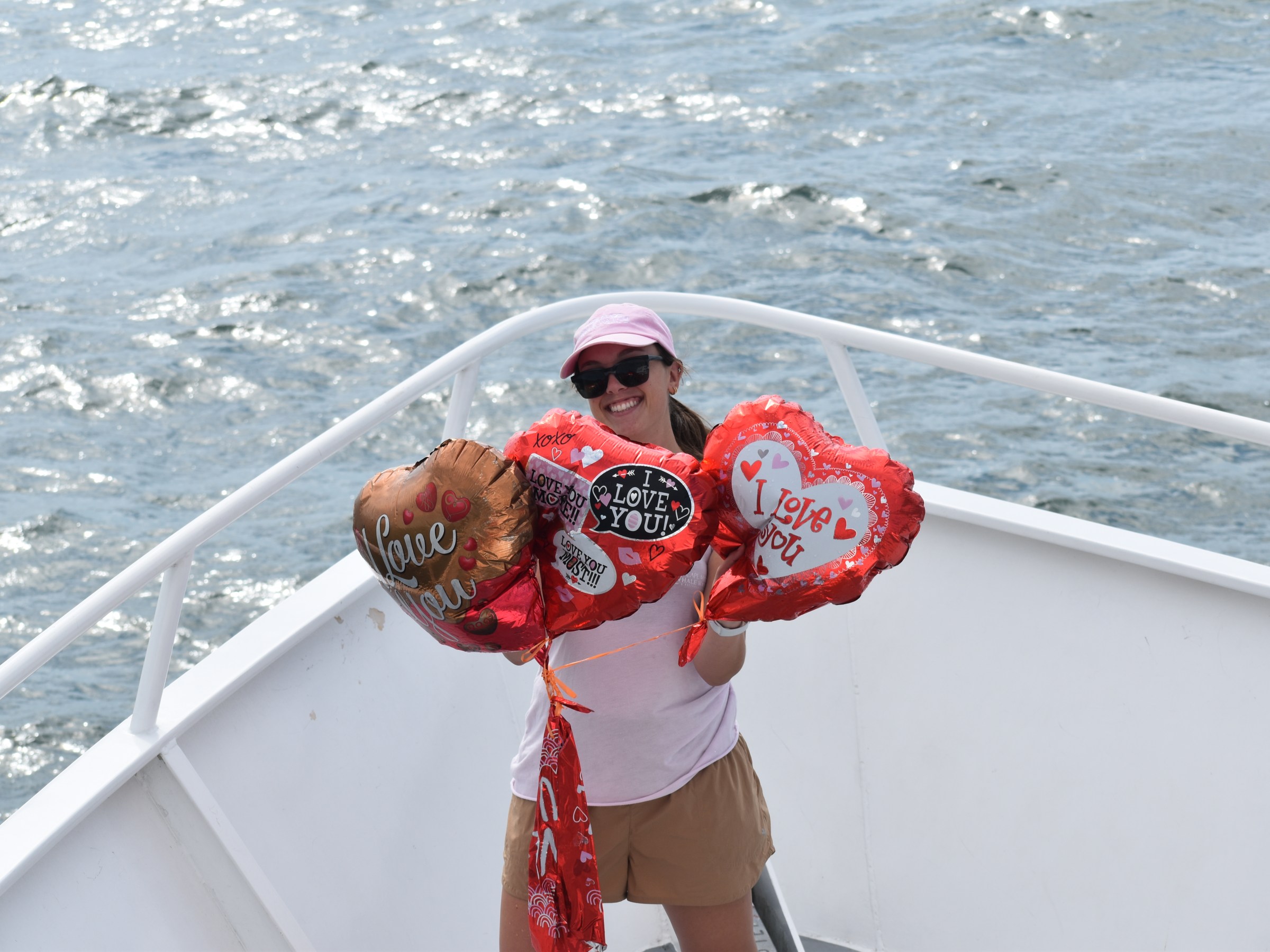
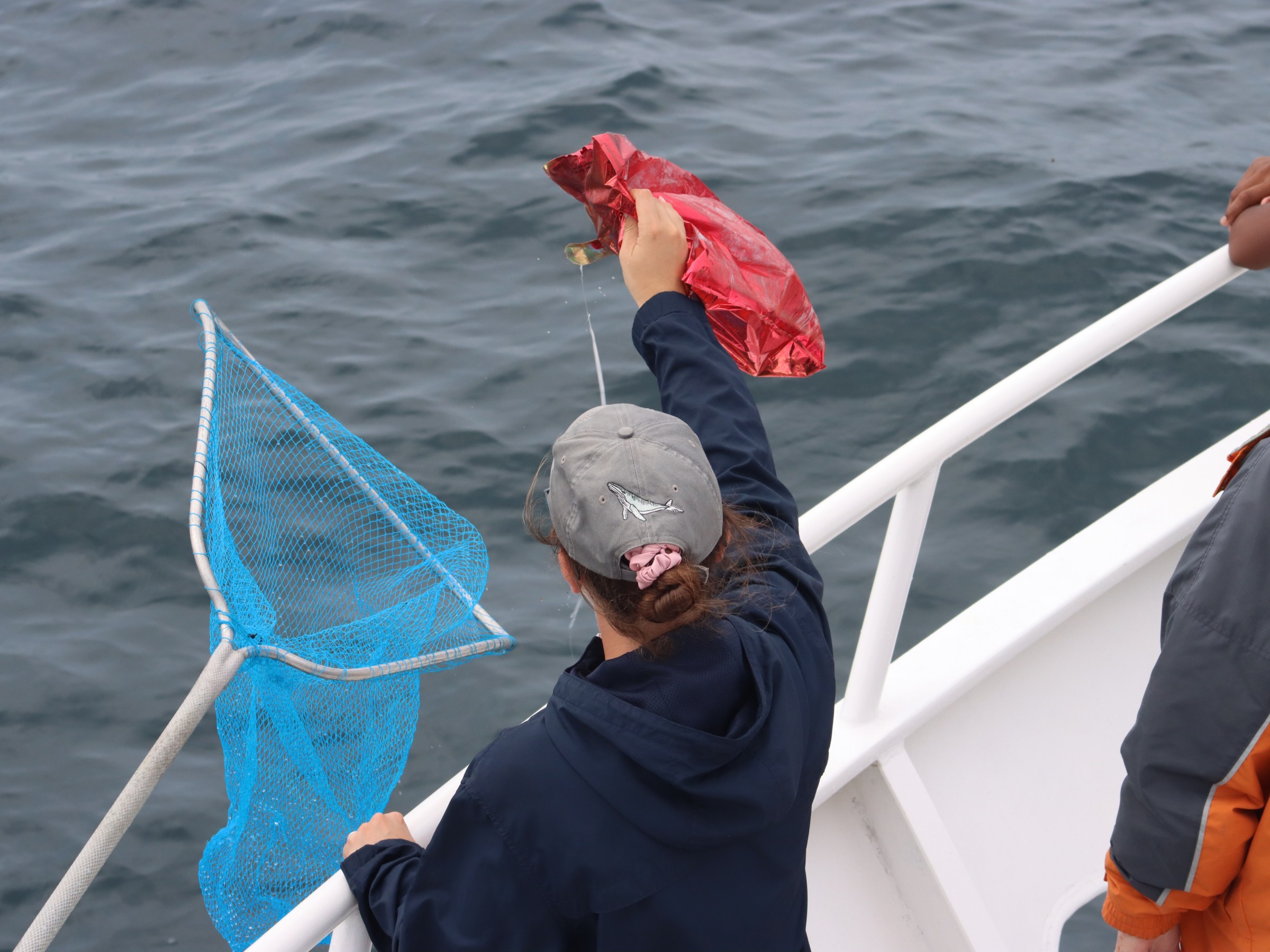
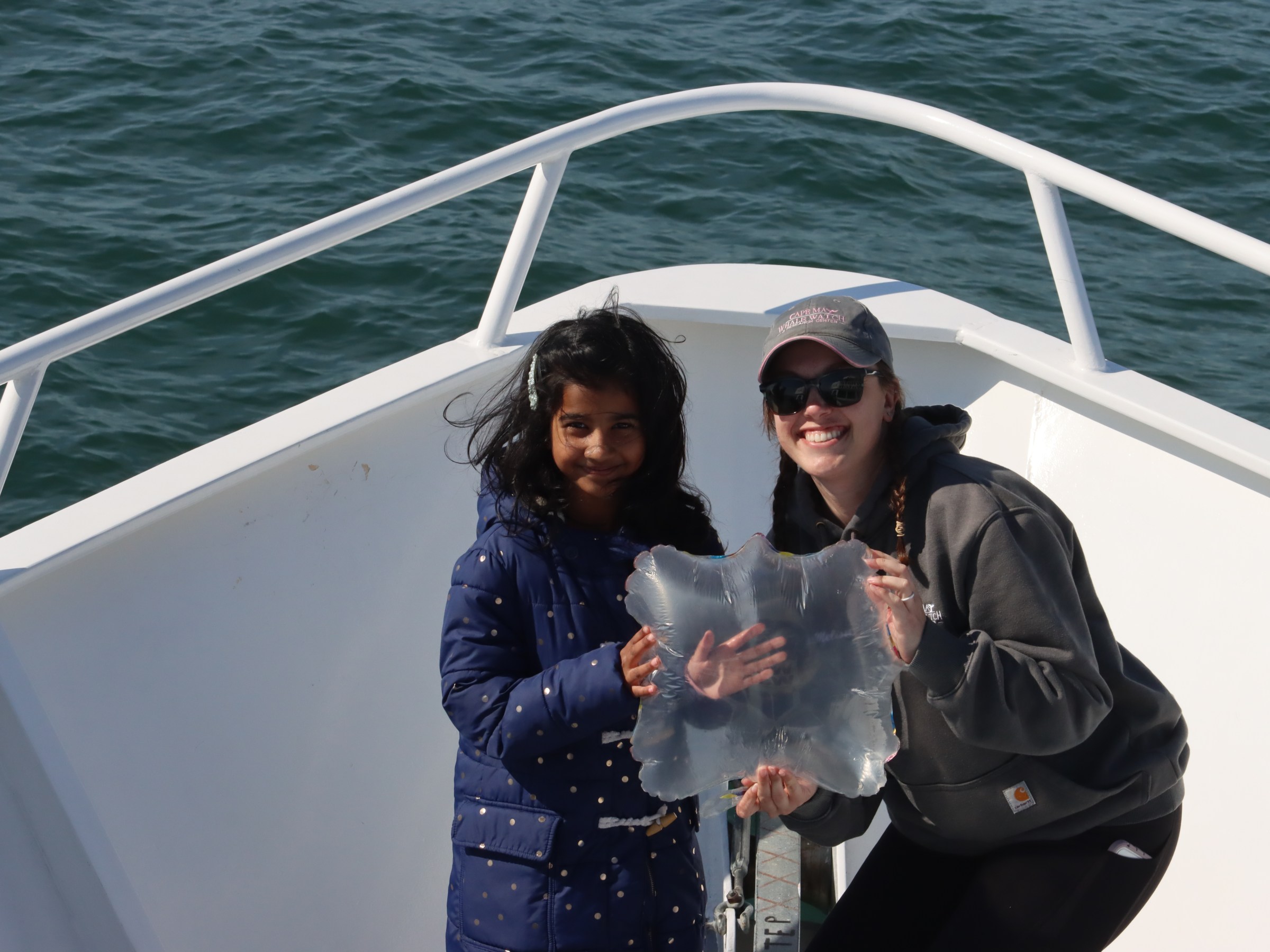
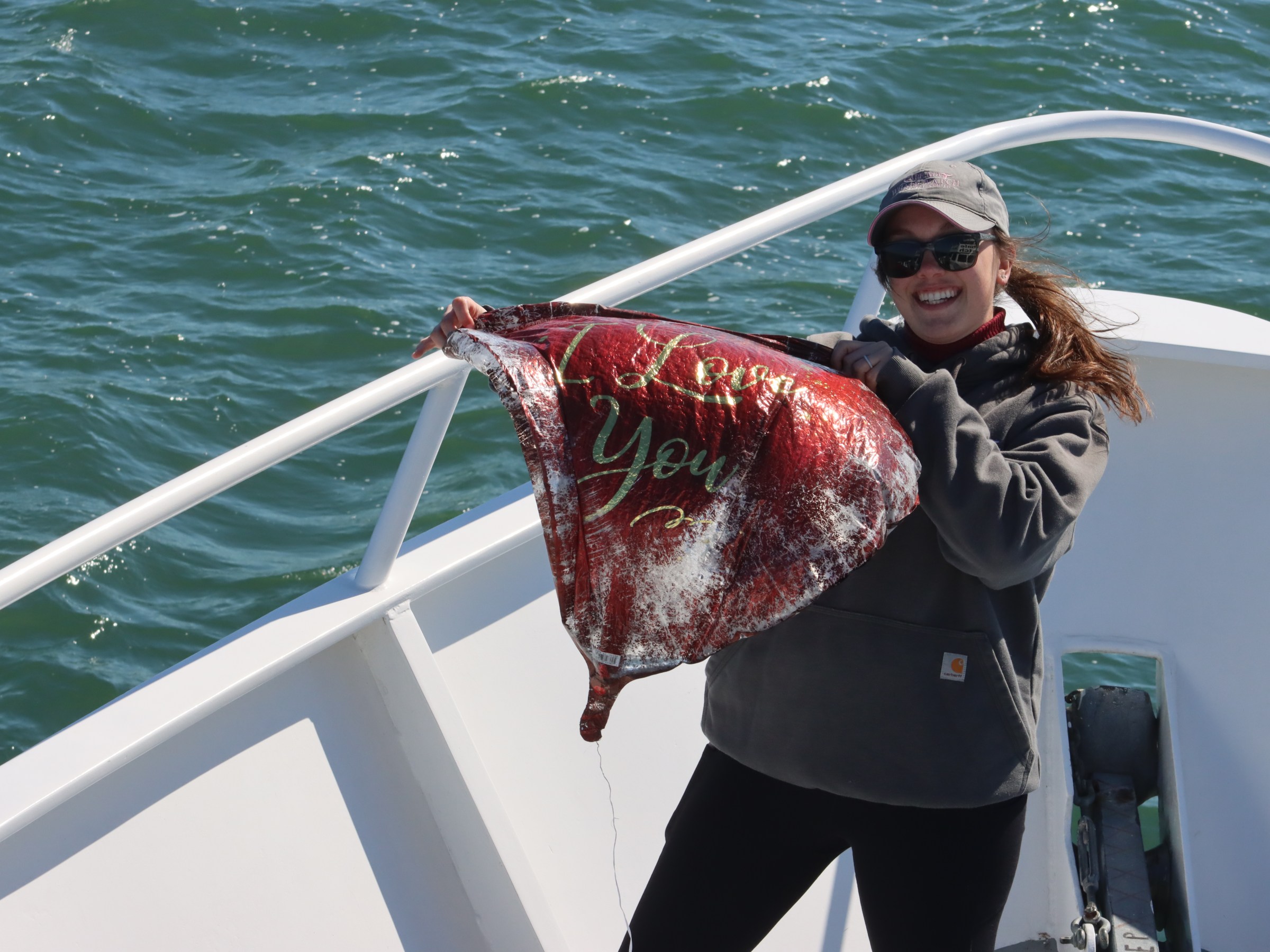
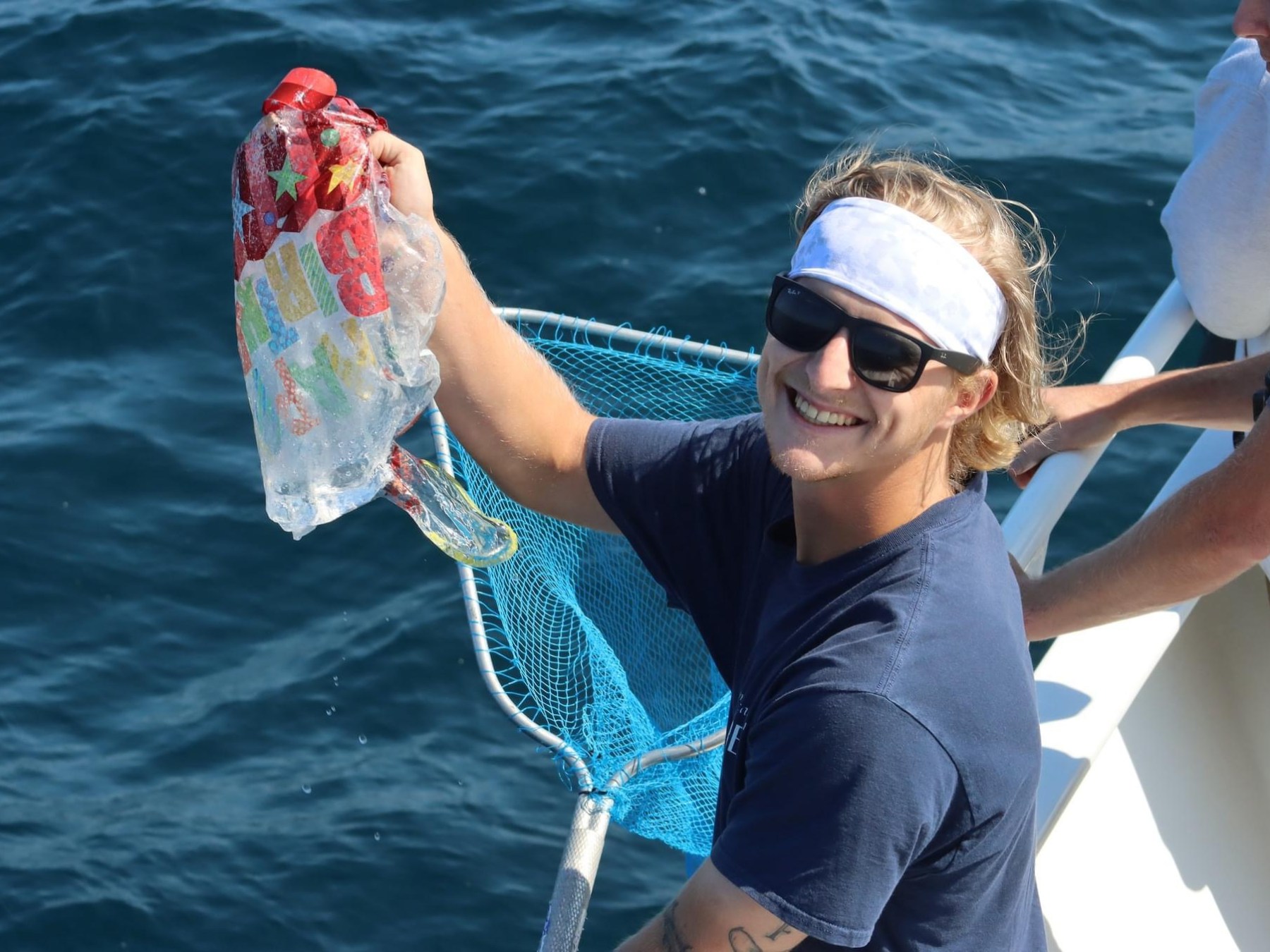
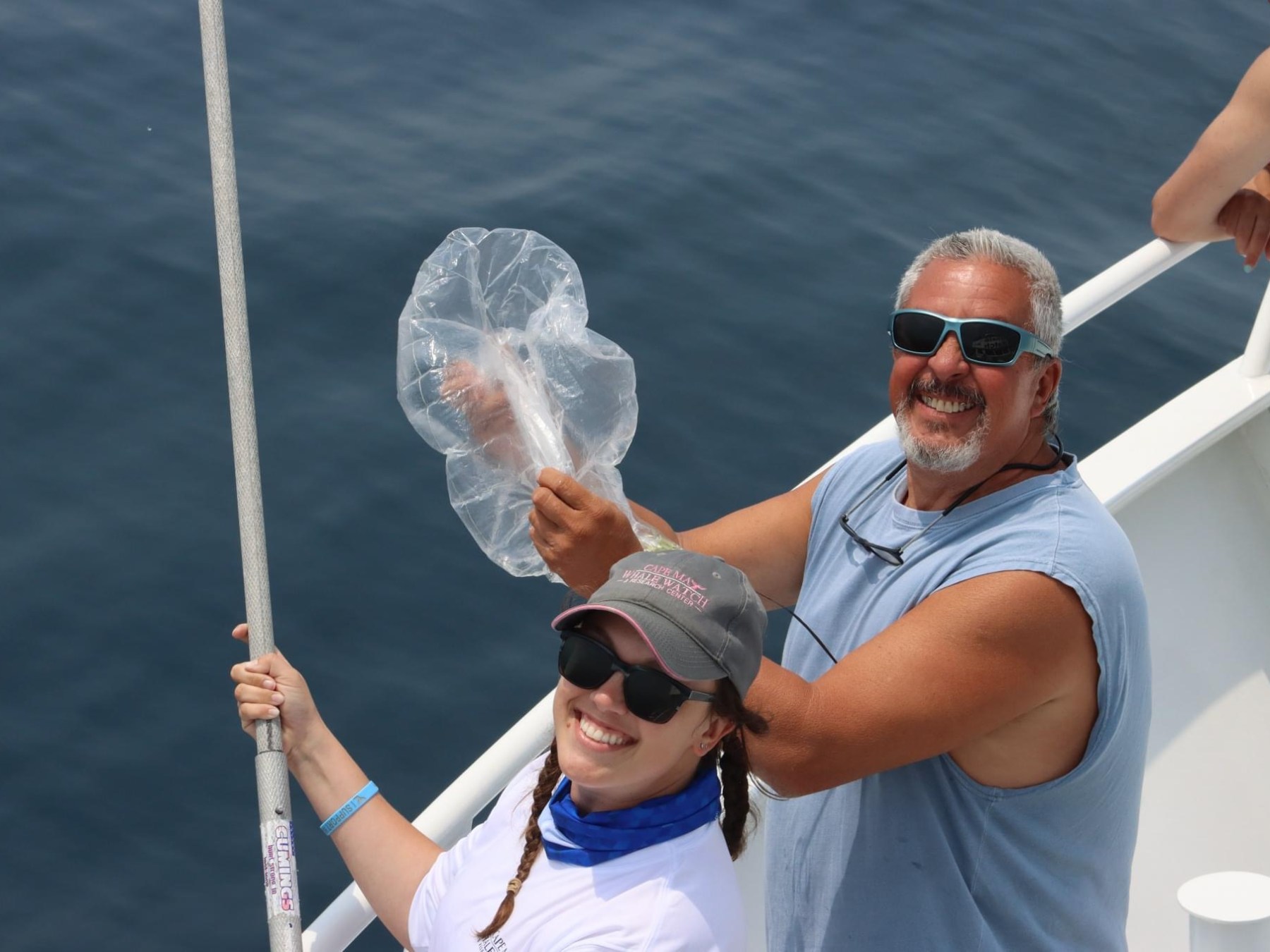
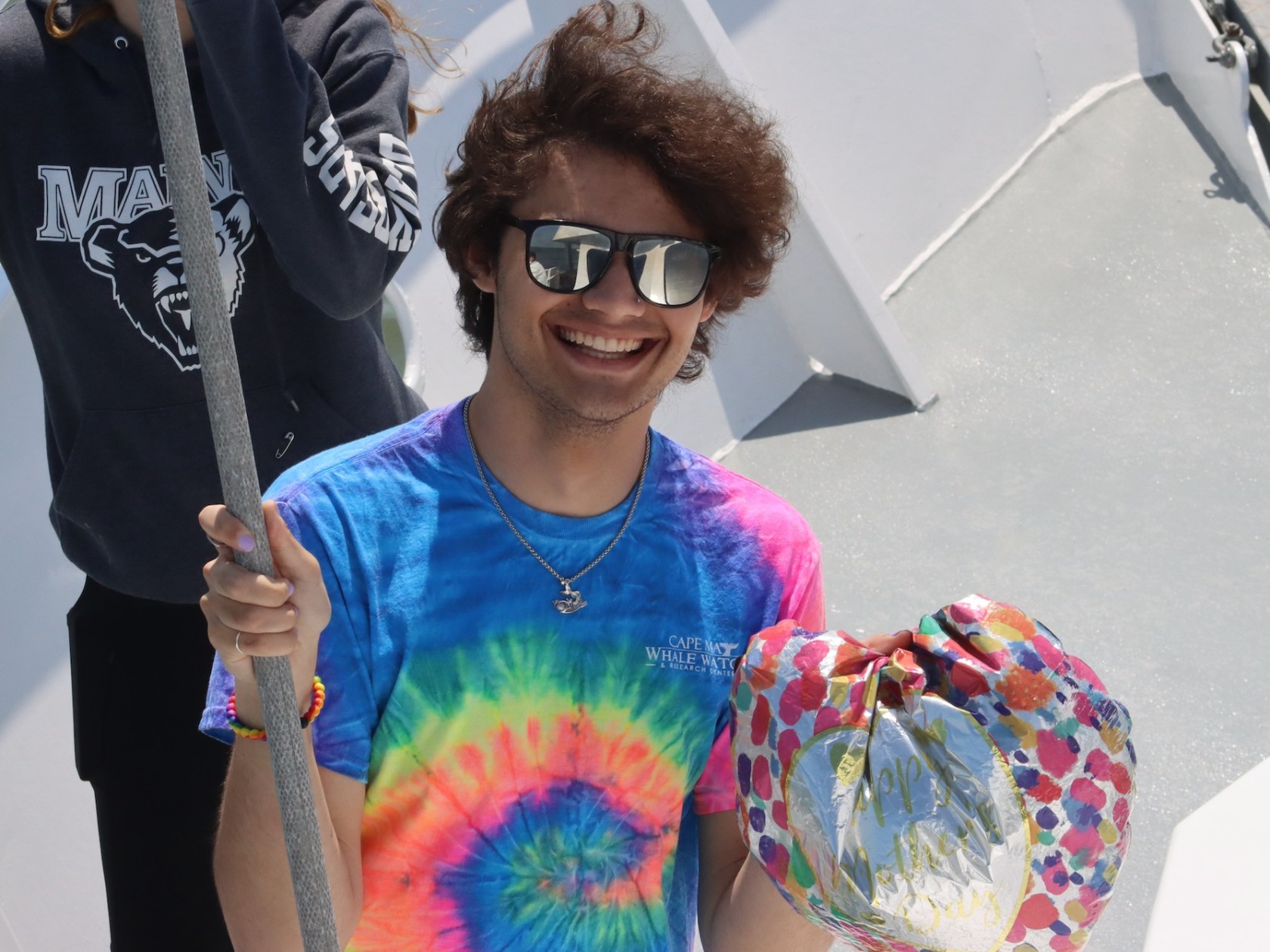
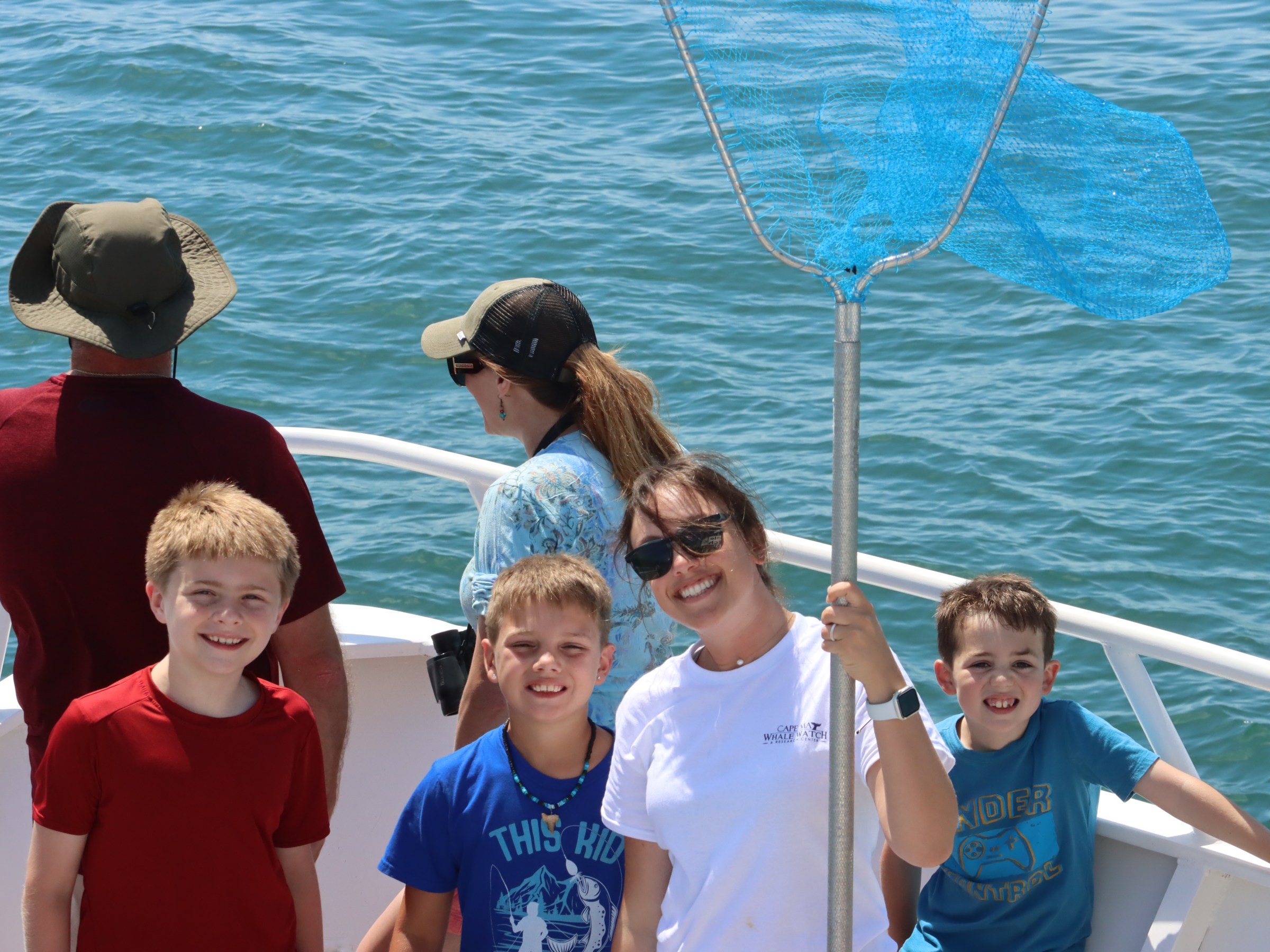
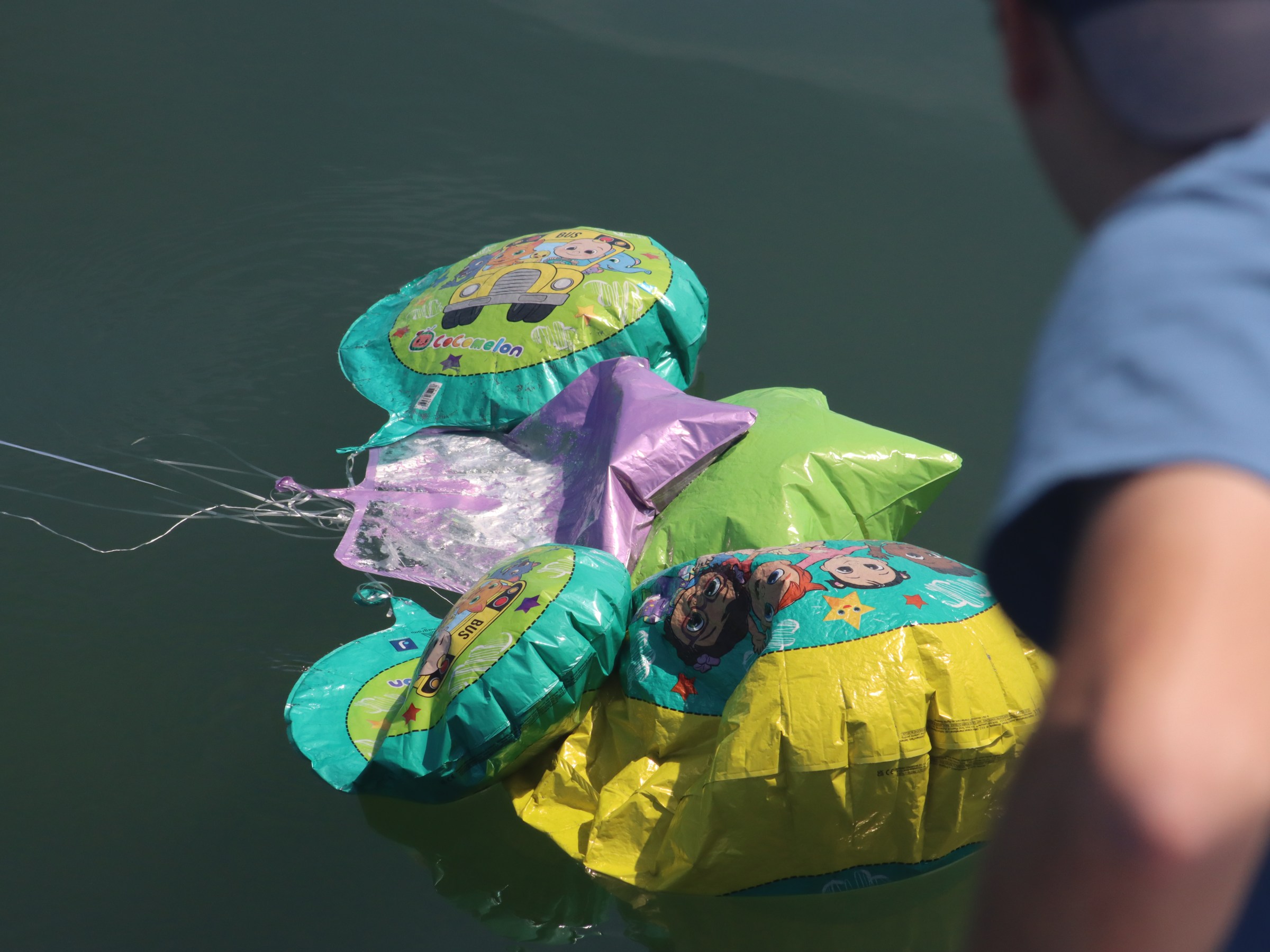
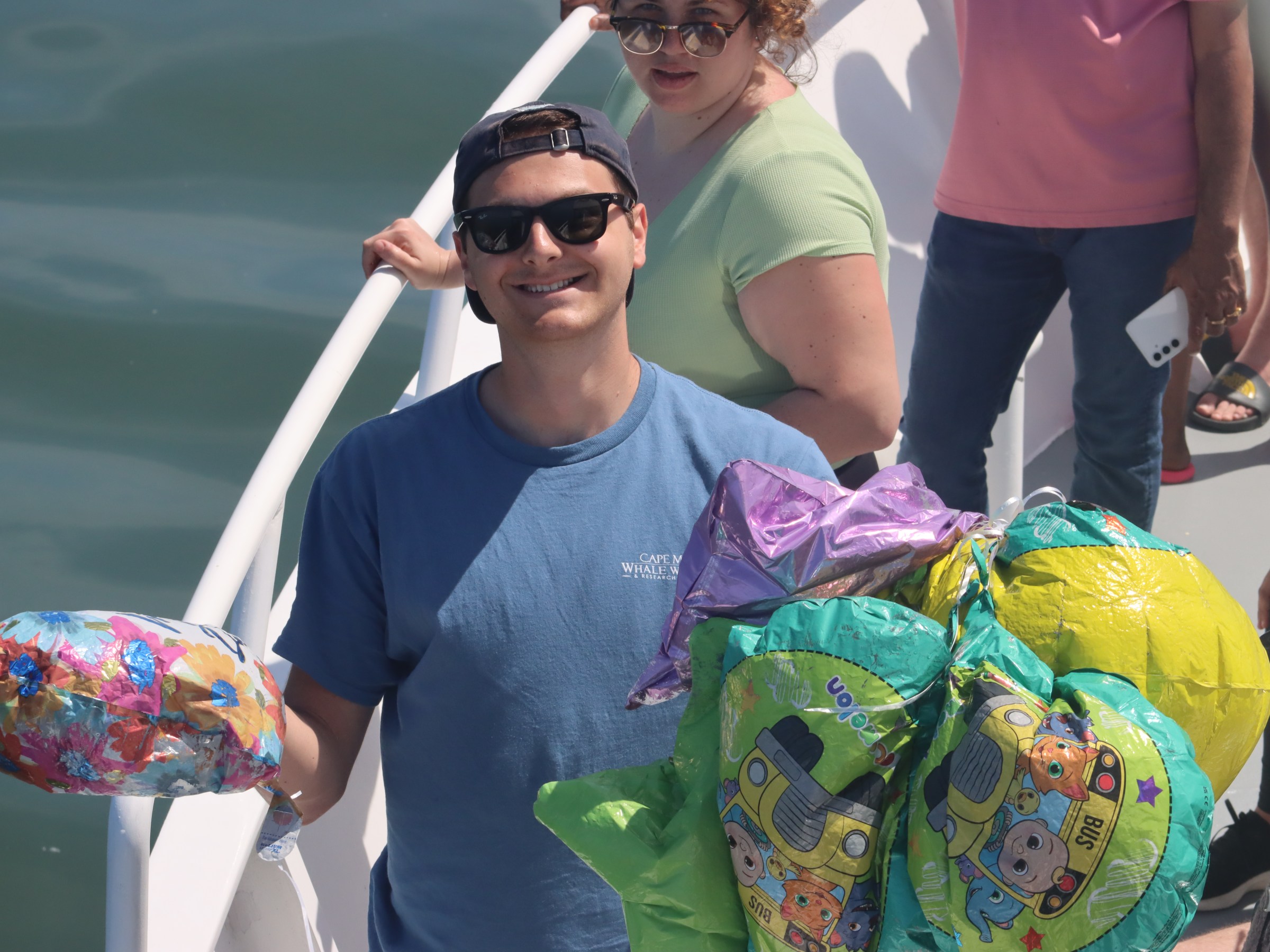
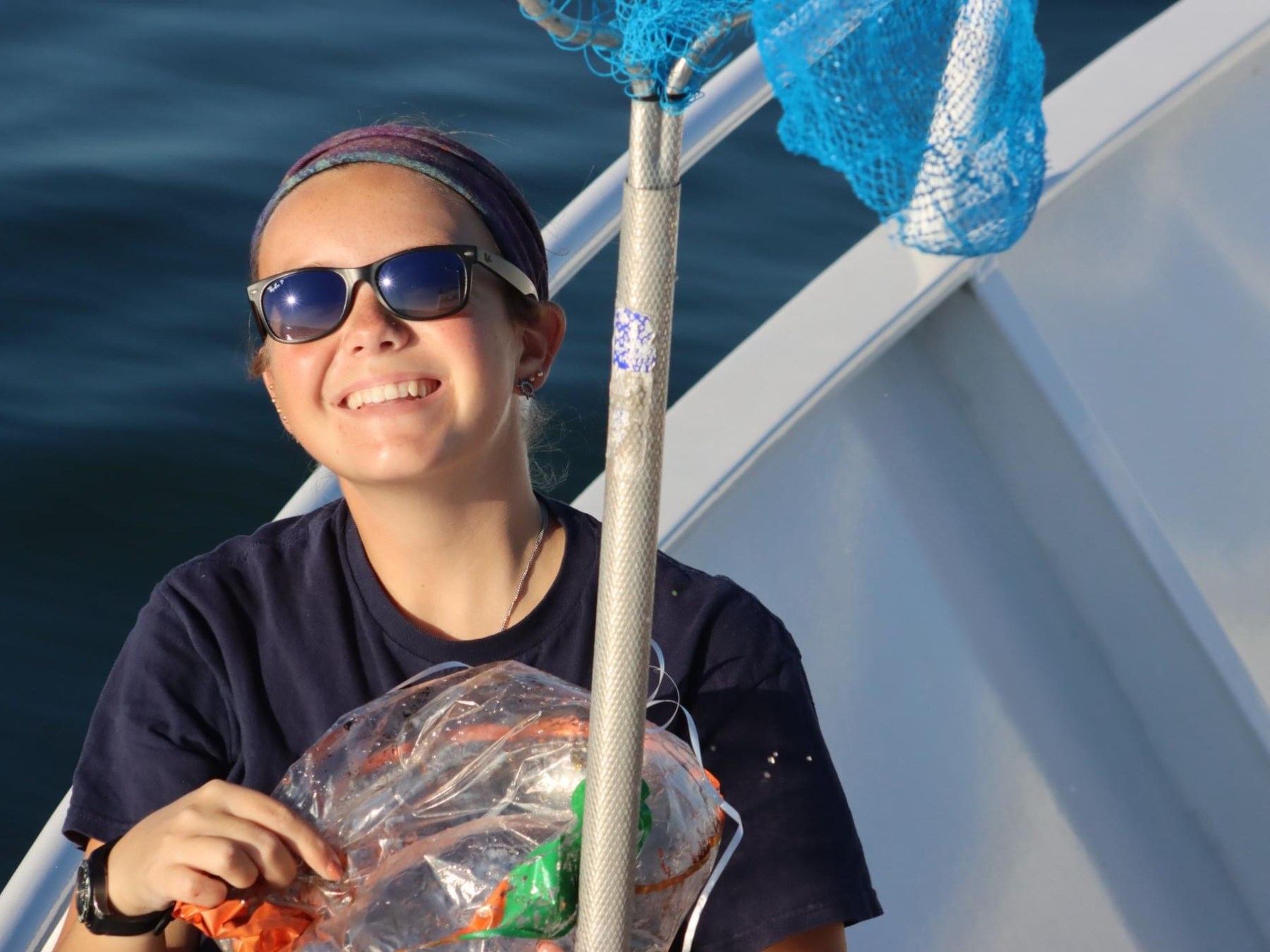
Balloons have been recovered from coastal waters up to 88 miles offshore. Many recovered balloons are entangled with string, increasing risk to wildlife. Every ecotour is an opportunity to inspire stewardship.
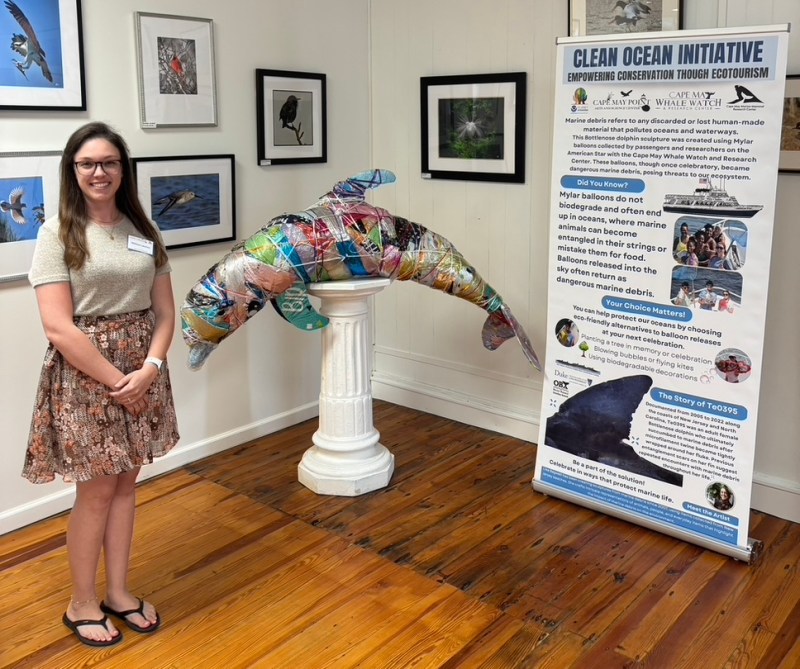
In 2024, the Clean Ocean Initiative expanded with the Cape May Marine Mammal Research Center through support from the NOAA, now NESTA, Planet Stewards Program, partnering with 11 ecotourism organizations across the Mid-Atlantic and California. This collaborative effort demonstrates how ecotourism can serve as a platform for marine debris monitoring and education. Some of these balloons were later repurposed by a local artist to create a dolphin sculpture honoring Te0395, a bottlenose dolphin who succumbed to entanglement from marine debris, currently on display at the Cape May Point Arts and Science Center.